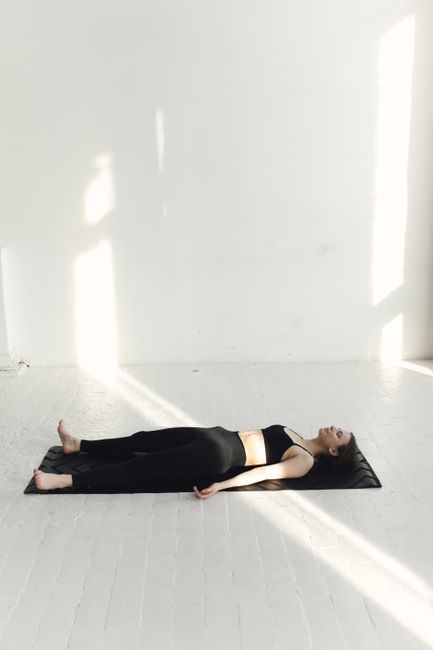
Overview of Restorative Yoga
Restorative yoga offers a gentle‚ supportive practice that encourages deep relaxation and healing․ By using props‚ you can hold poses for extended periods‚ allowing muscles to release tension․ This PDF guides beginners through a calming sequence‚ emphasizing breath‚ mindfulness‚ and self‑compassion․ now
1․1 What is Restorative Yoga?
Restorative yoga is a slow‚ mindful practice that uses props to support the body in gentle‚ sustained postures․ The goal is to activate the parasympathetic nervous system‚ encouraging deep relaxation‚ reducing stress‚ and promoting healing․ Unlike dynamic styles‚ restorative poses are held for several minutes‚ allowing muscles to release tension and the mind to quiet․ This PDF presents a curated sequence‚ offering clear instructions‚ recommended durations‚ and breathing cues․ It is designed for all levels‚ from beginners to seasoned practitioners‚ and can be adapted to address specific needs such as back pain‚ anxiety‚ or post‑partum recovery․ By integrating restorative yoga into a regular routine‚ individuals can experience improved sleep‚ increased flexibility‚ and a heightened sense of inner calm․ The PDF also explains how to use blankets‚ bolsters‚ blocks‚ and straps safely‚ ensuring each pose is accessible and supportive․ Whether practiced at home or in a studio‚ the sequence encourages self‑compassion‚ mindful awareness‚ and a gentle return to equilibrium;
Additionally‚ the PDF includes a printable chart that maps each pose to its therapeutic focus‚ allowing practitioners to tailor sessions to specific ailments․ A brief glossary clarifies terminology‚ ensuring beginners feel confident․ The guid offers variations for those who need more challenge‚ while still maintaining the restorative ethos․ By following the structured flow‚ users can cultivate a consistent practice that supports both body and mind․ 2024․
1․2 Key Principles and Goals
Restorative yoga’s core principles center on gentle support‚ mindful breathing‚ and sustained awareness․ By employing props—blankets‚ bolsters‚ blocks‚ and straps—practitioners can hold poses for extended periods‚ allowing muscles to relax deeply and the nervous system to shift into a restorative mode․ The sequence outlined in this PDF emphasizes three primary goals:
- Stress Reduction: Holding poses for 3–5 minutes activates the parasympathetic nervous system‚ lowering cortisol and promoting calm․
- Physical Rebalancing: Gentle stretches and inversions help release tension in the spine‚ shoulders‚ and hips‚ improving posture and circulation․
- Mindful Presence: Focused breathwork and body scan techniques cultivate a non‑judgmental awareness‚ fostering emotional resilience․
Each pose is paired with clear timing cues‚ recommended breathing patterns‚ and optional modifications to accommodate varying levels of flexibility and strength․ By following the PDF’s step‑by‑step guidance‚ users can create a personalized practice that supports recovery‚ enhances sleep quality‚ and nurtures overall well‑being․ The overarching philosophy encourages self‑compassion‚ patience‚ and a return to equilibrium‚ making restorative yoga a valuable tool for both physical and mental health․
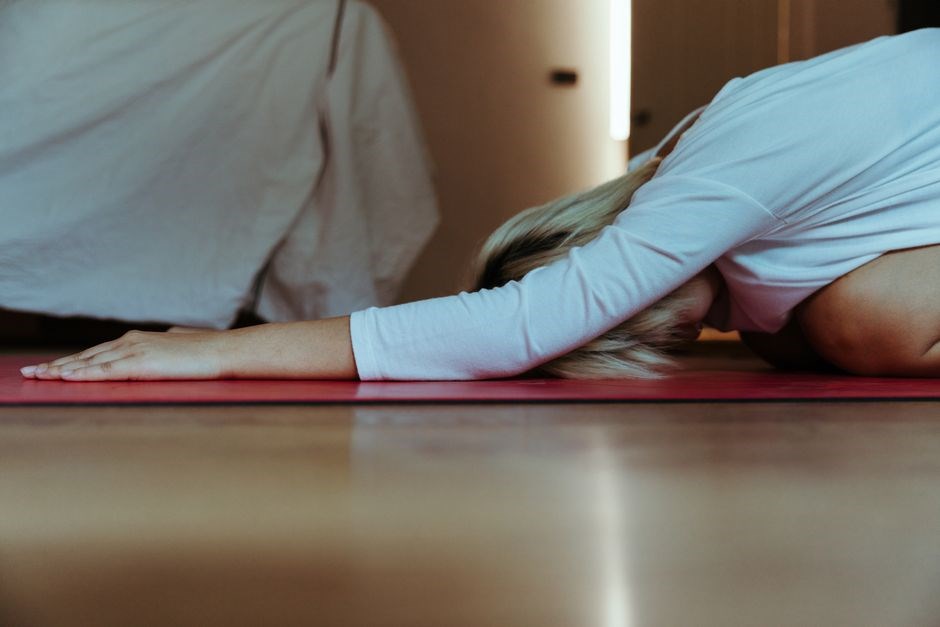
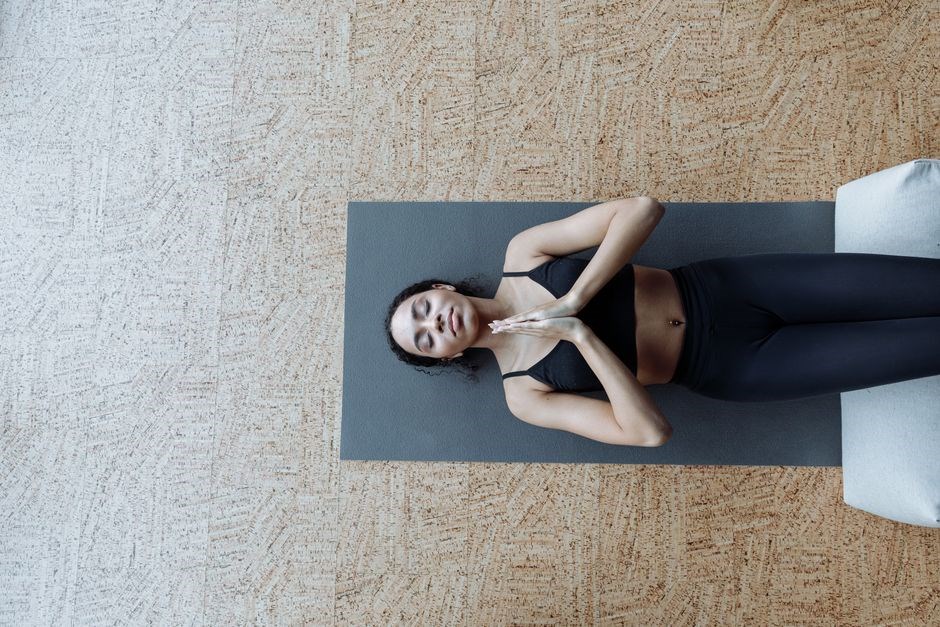
In practice‚ the PDF recommends beginning with a grounding pose such as Supported Child’s Pose‚ then progressing to gentle inversions like Legs‑Up‑the‑Wall‚ and concluding with a final relaxation in Savasana․ Each transition is designed to maintain a steady flow of oxygenated blood to the brain‚ reinforcing the mind‑body connection․ The guide also highlights the importance of setting an intention before each session‚ which can amplify the therapeutic benefits and create a sense of purpose․ By integrating these principles‚ practitioners can experience measurable improvements in flexibility‚ reduced muscle soreness‚ and a heightened sense of inner peace․
Moreover‚ the PDF encourages regular reflection after each session‚ noting sensations‚ emotional shifts‚ and any physical changes․ This journaling practice helps track progress‚ identify patterns‚ and adjust the sequence over time․ By maintaining a mindful record‚ practitioners can celebrate subtle victories and stay motivated on their restorative journey․ Such mindful documentation transforms practice into a living‚ evolving path and invites deeper self‑awareness․
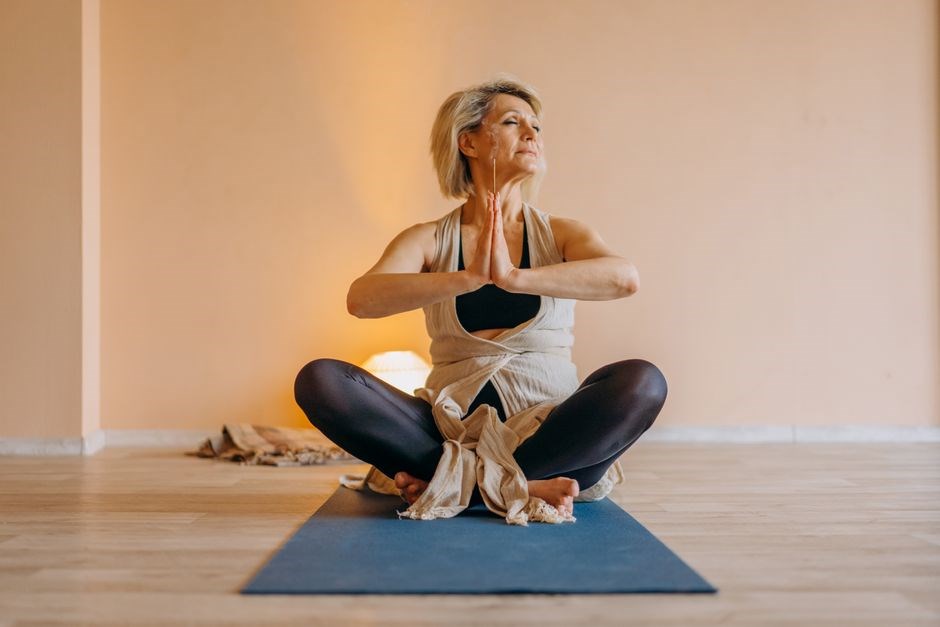
Understanding the Restorative Yoga Sequence PDF
The PDF presents a clear‚ step‑by‑step layout: a numbered list of poses‚ suggested hold times‚ breathing cues‚ and prop placements․ Each section is labeled with a concise title‚ making navigation intuitive․ The design prioritizes accessibility‚ ensuring beginners can follow without confusion․ now for all levels․
2․1 Structure and Format
The PDF’s structure is modular‚ allowing users to jump between sections or follow a linear path․ At the top‚ a title page lists the sequence’s theme‚ target benefits‚ and credentials․ Beneath‚ a table of contents links each pose to its page number‚ enabling quick navigation․ Each pose occupies a full page or a two‑column layout‚ depending on the depth of detail required․
Within each pose page‚ the layout follows a hierarchy: a large‚ centered pose name in bold‚ followed by a description of the physical focus․ Below‚ a numbered list of props (bolsters‚ blankets‚ blocks) specifies placement․ The hold time is displayed prominently‚ in color․ Breath cues guide the practitioner to sync inhalation and exhalation with the pose’s duration․
To enhance readability‚ the PDF uses a color palette with accents for headings and key terms․ Font choices are legible‚ with a sans‑serif body and a serif title font for contrast․ Margins ensure the text does not feel cramped․ Bullet points and numbered steps reduce cognitive load‚ making the sequence approachable for beginners while still offering depth for seasoned practitioners․
Accessibility features are integrated: the PDF is tagged for screen readers‚ and images have descriptive alt text․ The resolution preserves clarity on desktop and mobile devices․ Finally‚ a footer on each page lists the page number‚ the sequence title‚ and a reminder to breathe deeply and listen to the body․
Format balances clarity‚ accessibility‚ and depth‚ making the sequence usable for all practice levels care dailynow
2․2 How to Read and Interpret the PDF
Open the file in a viewer that keeps the layout and allows zoom․ The first page gives a short intro and a navigation guide․ Use the table of contents to jump to poses; each link takes you straight to the page․ Every pose page follows the same layout: a bold title‚ a brief description‚ a list of props‚ and a highlighted hold time․ The hold time is often color‑coded to show short versus long holds․
When you look at a pose‚ find the “focus” line—this tells which muscles to release․ The “breath” line gives a simple mantra: inhale for a count‚ exhale for a count‚ repeat․ If a diagram is present‚ study the arrows; they show how to align limbs with props․ The “variation” column offers tweaks for deeper or gentler stretches․
Check the page footer for quick reference: it lists the sequence title‚ page number‚ and a gentle reminder to stay present․ If a symbol is unfamiliar‚ consult the legend on the back of the document․ Many PDFs embed hyperlinks to extra resources—clicking them opens videos or articles․ Keep a notebook; jotting observations after each pose helps track progress and refine future practice․
By following these steps‚ you’ll navigate the PDF confidently‚ ensuring each pose is performed safely and mindfully‚ deepening the bond between breath and movement․ Stay curious and enjoy the journey․
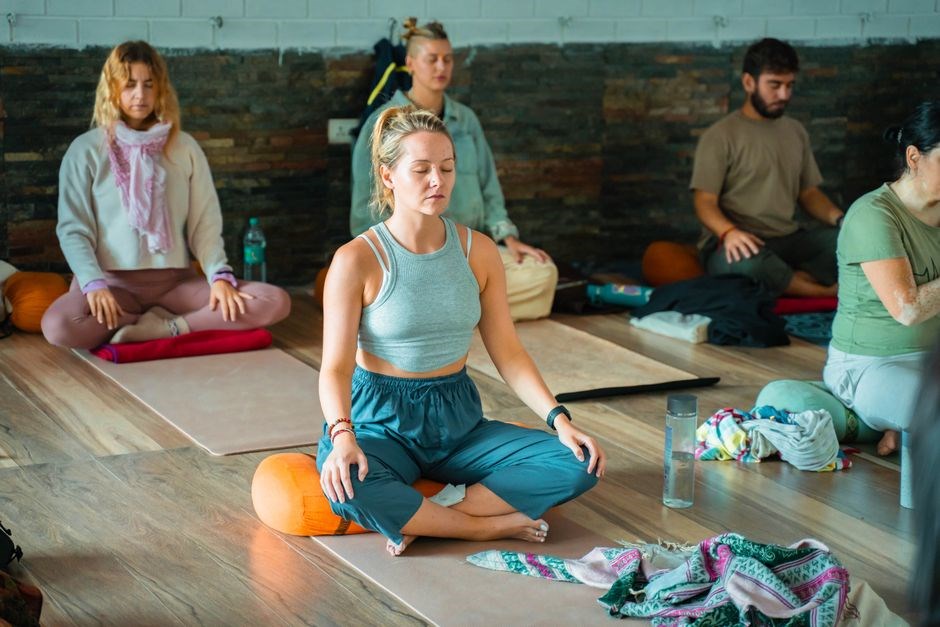
Building Your Own Restorative Sequence from the PDF
Use the PDF’s pose list to pick 5–7 positions that suit your goals․ Arrange them from gentle to deeper‚ noting hold times and props․ Add a 5‑minute breathing intro and a cool‑down․ Adjust durations to fit your schedule‚ and keep the sequence balanced for body and mind․ Remember to review PDF for variations․!!

3․1 Choosing Poses for Your Needs
When you start building a restorative sequence‚ first decide what you want to address—shoulders‚ hips‚ or calmness․ The PDF lists poses with hold times‚ prop tips‚ and variations․ Scan the list for poses that match your goal․ For shoulder tension‚ choose supported child’s pose or reclined twist with a bolster․ For hip relief‚ pick supported pigeon or gentle supine bound angle‚ noting the suggested hold duration․
Next‚ arrange the poses from easiest to more challenging‚ keeping the sequence balanced․ Start with gentle holds like supported bridge or gentle supine twist‚ then add deeper variations as you feel comfortable․ The PDF’s level tags help you choose the right progression and avoid overexertion․
Props are essential․ The PDF recommends cushions‚ blankets‚ or blocks for each pose․ Using the suggested props transforms a mild stretch into a deeply restorative experience‚ reducing strain and enhancing relaxation․
Finally‚ note any contraindications and adjust accordingly․ If you have lower back pain‚ skip poses that load the lumbar area․ Use the PDF’s notes to mark skips or modifications‚ ensuring a safe‚ supportive‚ and personalized practice
When selecting poses‚ consider your current flexibility and any injuries․ The PDF often includes alternative versions—such as a supported child’s pose with a rolled blanket or a reclined twist with a block under the knee to accommodate different needs․ Mark these alternatives in your notes so you can swap easily during practice․
Feel free to experiment and refine the sequence over time․
Enjoy the journey toward awareness․
․․․․
3․2 Timing and Breath Work
In a restorative sequence‚ timing is less about speed and more about intentional pause The PDF recommends holding each pose for 3–5 minutes‚ allowing relaxation․ This rhythmic breathing the relaxation response and anchors the mind!
Start each pose with a brief grounding breath: inhale through the nose‚ feel the belly rise‚ exhale slowly‚ and settle into the prop․ Maintain this 4:6 ratio throughout the hold․ If you feel tension‚ pause the breath for a moment‚ and feel the breath‚ then resume․ The PDF suggests using a guided audio track or a timer set to 3 minutes‚ then extending to 5 minutes as you feel comfortable․ This pause allows the body to release tension and invites a deeper sense of presence․
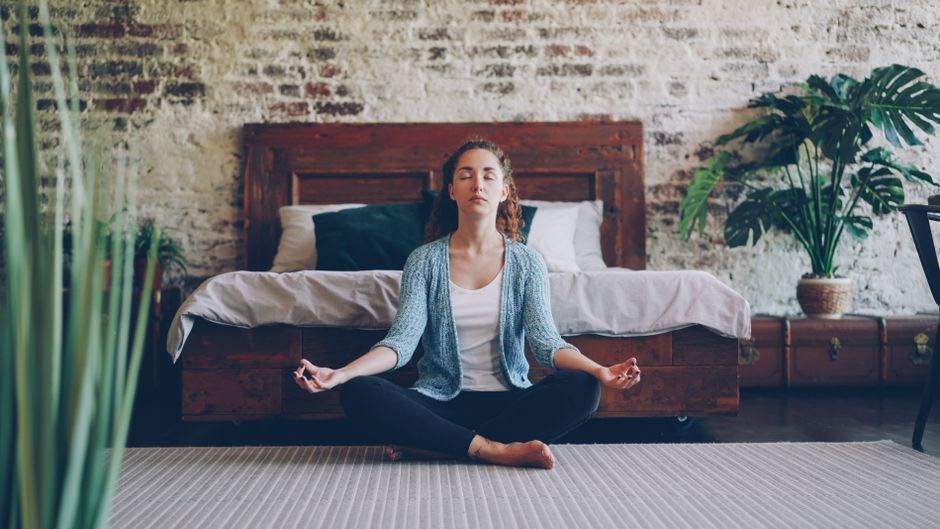
Between poses‚ allow a 30‑second transition: gently shift‚ take a few deep breaths‚ and bring awareness to the body’s sensations․ The PDF’s “transition cue” notes remind you to breathe in the space‚ not the posture․ This mindful transition prevents the mind from rushing and supports a smooth flow․ The subtle shift in posture encourages a gentle release of muscle memory․
For advanced practitioners‚ the PDF offers a “breath lengthening” exercise: after the first minute‚ increase inhale length to 5 beats‚ exhale to 7 beats‚ and continue for the remainder of the hold․ This subtle adjustment and breath connection! This subtle adjustment deepens the connection between breath and body․
Remember‚ the goal is to create a rhythm that feels like a wave—steady‚ guiding you into deeper calm!!!!
Tips for a Successful Practice Using the PDF
Set a calm space‚ dim lights‚ use props‚ and follow the PDF’s 3‑5 minute holds․ Breathe slowly‚ inhale through the nose‚ exhale fully‚ and let tension melt․ Keep a timer‚ stay present‚ and adjust pose duration to your comfort level․ Stay mindful‚ breathe calm․
4․1 Creating a Comfortable Environment
Begin by choosing a quiet corner of your home where you can control lighting‚ temperature‚ and noise․ Dim the lights or use a soft lamp‚ and consider a diffuser with calming scents like lavender or eucalyptus․ Keep the room at a comfortable temperature—neither too hot nor too cold—so you can relax fully without distraction․
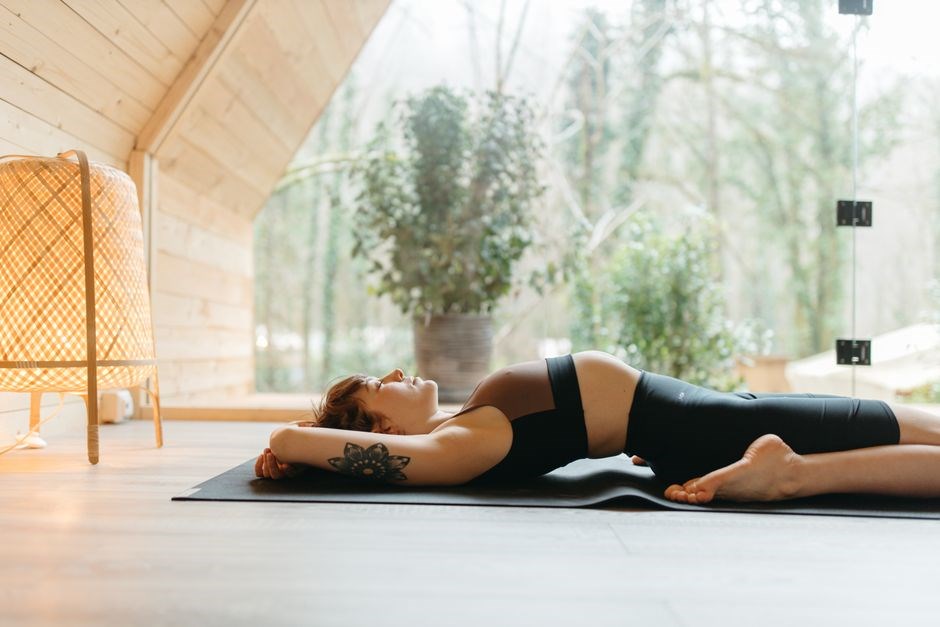
Gather your props: a yoga mat‚ bolsters‚ blankets‚ blocks‚ and a sturdy chair or cushion for support․ Arrange them so that each pose in the PDF can be accessed easily․ Place a small water bottle nearby and have a towel ready for any sweat or moisture․ A gentle playlist or nature sounds can enhance the atmosphere‚ but ensure the volume is low enough not to break your focus;
Before starting‚ set an intention: “I will honor my body’s limits and breathe with awareness․” This mental cue helps you stay present․ As you transition between poses‚ take a moment to check in with your body—notice any tightness or discomfort—and adjust the prop placement accordingly․ A calm environment paired with mindful breathing creates a sanctuary for restorative practice․
Finally‚ after completing the sequence‚ sit quietly for a few minutes to integrate the benefits․ Notice the subtle shifts in your mind and body‚ and gently bring your awareness back to the present․ This mindful pause reinforces the restorative effects‚ leaving you refreshed and centered for the rest of your day․ Remember to hydrate afterward‚ if you feel tension‚ a gentle stretch or a walk can help release residual tightness now
4․2 Adapting the Sequence to Your Level
Every practitioner brings a unique set of strengths‚ limitations‚ and goals to the mat․ The PDF’s flexible structure invites you to personalize the flow without compromising the restorative intent․ Start by scanning the pose list and noting any positions that feel restrictive or overly demanding․ For a beginner‚ replace a forward fold with a supported recline‚ using a bolster to maintain alignment․ If you’re more experienced‚ you can deepen the stretch by reducing the support or extending the hold time‚ but always listen to your body’s signals․
Use the “modification” notes in the PDF as a guide: add a block under the knees in a seated twist‚ or shift the weight to one side in a side‑lying pose․ Adjust the duration of each hold to match your breath capacity—shorter holds for those with limited stamina‚ longer holds for seasoned practitioners seeking deeper relaxation․ Keep a timer handy; the PDF recommends 3–5 minutes per pose‚ but feel free to shorten or lengthen based on your comfort․
Incorporate breath awareness throughout․ If a pose feels too intense‚ pause‚ inhale deeply‚ and exhale slowly‚ allowing the tension to melt․ When you feel ready‚ gradually reintroduce the pose‚ perhaps by adding a small prop or reducing the angle․ This iterative process ensures that the sequence evolves with your progress‚ fostering a sustainable practice that honors your body’s journey now․ Practice‚ breathe let your spirit rise․
Resources and Further Learning
Explore additional PDFs‚ guided audio‚ and community forums to deepen your restorative practice․ Download free templates‚ join online workshops‚ and connect with local studios for personalized support․ Stay curious‚ breathe‚ and let the journey unfold․ Trust the flow gently
5․1 Additional PDFs and Guides
For those seeking deeper insight into restorative yoga‚ a wealth of downloadable PDFs and instructional guides is available․ These resources range from beginner-friendly introductions to advanced therapeutic sequences‚ each designed to complement the core PDF you already possess․ Below is a curated list of recommended materials‚ complete with brief descriptions and links to reputable sources․
- Beginner’s Guide to Restorative Yoga – A concise 30‑page PDF that explains foundational poses‚ breathing techniques‚ and the philosophy behind the practice․ Ideal for newcomers․
- Advanced Restorative Sequences for Therapists – An 80‑page guide offering nuanced variations‚ contraindications‚ and therapeutic applications for clients with chronic pain or stress disorders․
- Prop‑Based Restorative Yoga – A 45‑page manual detailing creative prop setups‚ safety tips‚ and how to personalize sequences for different body types․
- Mindfulness & Breathwork Companion – A 25‑page PDF that pairs restorative poses with guided meditation scripts and breathing exercises‚ enhancing mental calmness․
- Restorative Yoga for Athletes – A 60‑page resource focusing on recovery‚ flexibility‚ and injury prevention through gentle‚ restorative postures․
In addition to these PDFs‚ many yoga teachers publish free lesson plans and video tutorials that can be integrated into your practice․ Search platforms such as Yoga Journal‚ Gaiam‚ and Insight Timer for curated collections․ Always verify the credentials of the author and the evidence base behind therapeutic claims before incorporating new sequences into your routine․ By expanding your library‚ you’ll gain a richer understanding of how restorative yoga can support both body and mind․
Enjoy practice and breathe! OK․ Stay calm․ yes!
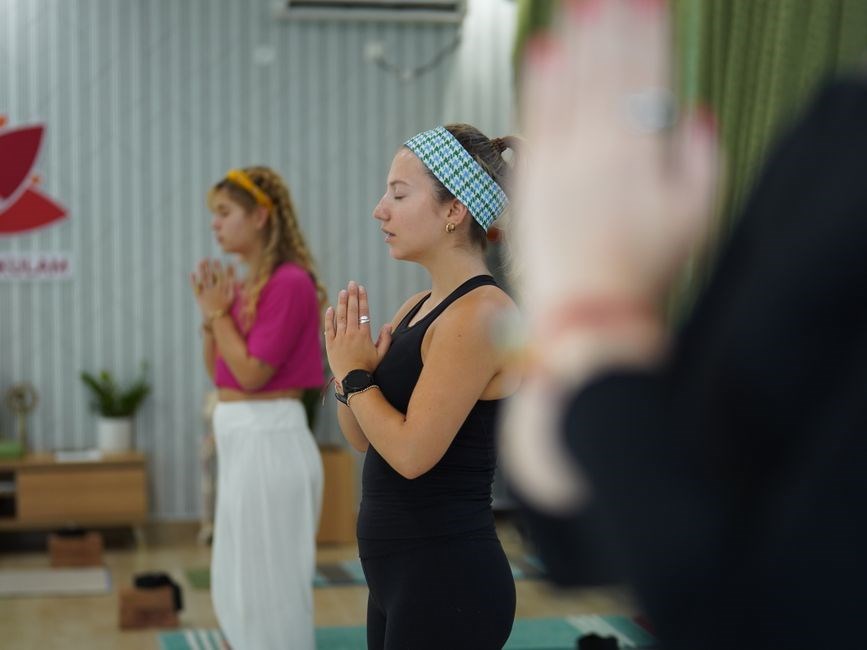
5․2 Communities and Workshops
Joining a community or attending a workshop can deepen your understanding of restorative yoga and help you stay motivated․ Below are some of the most active online forums‚ local groups‚ and in‑person workshops that focus on the restorative practice and often provide downloadable PDFs‚ live sessions‚ and peer support․
- Yoga Alliance Community Forum – A global platform where teachers and students share sequences‚ troubleshoot poses‚ and discuss research; Members post PDF resources and organize virtual meet‑ups․
- Restorative Yoga Facebook Groups – Several groups (e․g․‚ “Restorative Yoga for Stress Relief” and “Prop‑Based Restorative Practice”) offer challenges‚ live streams‚ and a shared library of PDFs․
- Local Yoga Studios – Many studios run monthly restorative classes led by certified teachers who provide handouts and PDFs․ Check the studio’s website for a schedule and sign‑up links․
- Online Course Platforms – Sites like Udemy‚ Coursera‚ and Mindful Schools feature restorative yoga courses that include downloadable lesson plans and PDF references․
- Workshops & Retreats – Look for weekend retreats or intensive workshops hosted by experienced teachers․ These events include a full curriculum‚ PDF handouts‚ and a community of like‑minded practitioners․
When choosing a community or workshop‚ consider credentials‚ group size‚ and PDF resources․ Engaging with a supportive network enhances practice and keeps you connected to restorative yoga․ and growth․!!