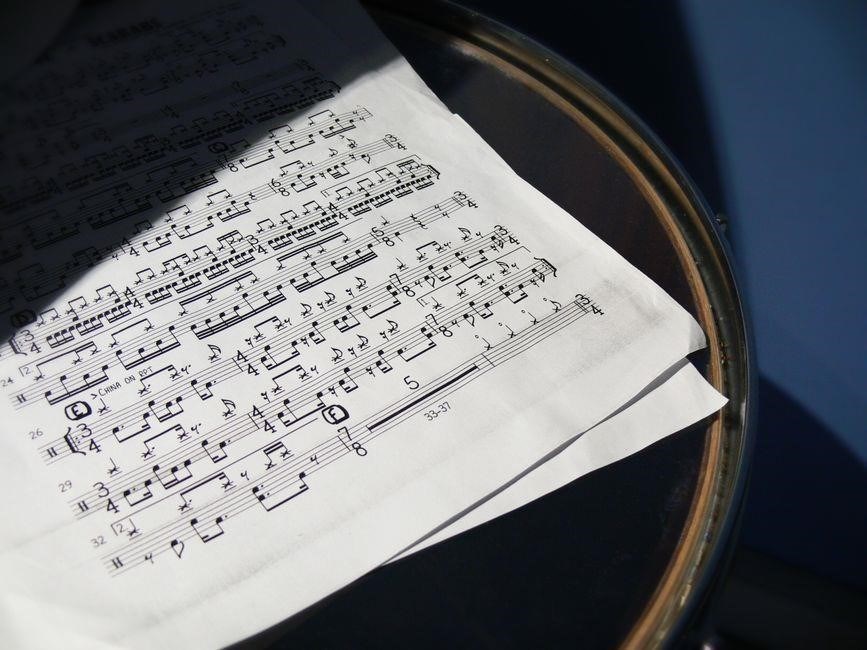
Free drum set sheet music PDFs offer drummers instant access to charts, transcriptions, and practice routines. These files, often shared by online communities, include full song arrangements, groove charts, and lesson resources, enabling quick learning and skill development.Free PDFs are easy to print and us
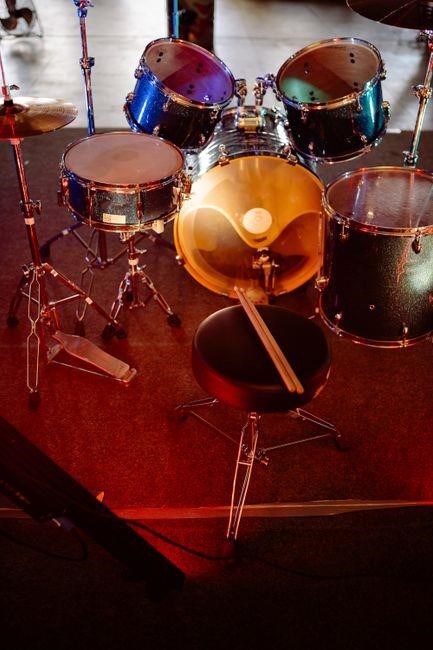
Where to Find Free Drum Sheet PDFs Online
Explore dedicated sites like Virtual Drumming, Drummer Cafe, and open‑source libraries. General music archives such as IMSLP and MuseScore host thousands of free drum charts. Community forums and GitHub also share user‑created PDFs for practice and study. Enjoy.!
Dedicated Drum Sheet Repositories
Dedicated drum sheet repositories provide free PDF charts that cater to all skill levels. Virtual Drumming hosts a vast collection of transcriptions from classic rock, jazz, funk, and pop, complete with MIDI files for playback. Drummer Cafe offers community‑driven charts, including basic grooves and advanced fills, searchable by genre and difficulty. Drumset.org supplies educational PDFs covering swing, Latin, and rudimental patterns, while the Drum Score Archive preserves historical drum scores in the public domain. These sites feature user forums where drummers can discuss accuracy, suggest edits, or request new transcriptions. Printable PDFs are optimized for standard sheet music paper, with clear notation, tempo markings, and dynamic indications. Many repositories also provide downloadable MIDI files for integration with virtual drum software. By exploring these resources, drummers can access high‑quality, legally free charts that support skill development and musical exploration. These repositories often include detailed groove charts that illustrate common fills, syncopated patterns, and dynamic variations, making them invaluable for rehearsal and solo practice. Users can also download accompanying audio tracks or click‑through playback options that allow them to hear the exact feel of each chart. The community forums provide a space for drummers to ask questions about notation, request corrections, and share their own transcriptions, fostering a collaborative learning environment. Many sites offer a subscription option for premium content, but the free sections are comprehensive enough to cover most learning needs. Whether you’re a beginner learning basic rock beats or an advanced player studying intricate jazz solos, these free PDF charts provide a reliable resource for improving technique, timing, and musicality. musicality. !

General Music Sheet Libraries
General music libraries such as IMSLP, Mutopia, and the Public Domain Sheet Music Project offer free drum set PDFs alongside orchestral scores. While these repositories focus on classical and folk repertoire, many users upload drum transcriptions of popular songs and instructional charts. IMSLP’s “Percussion” section contains a handful of drum solo scores and rudimental collections, often accompanied by MIDI files for playback. Mutopia’s percussion folder provides clean, notation‑ready PDFs of swing and Latin patterns, ideal for students seeking rhythmic variety. The Public Domain Sheet Music Project hosts a small but growing selection of drum charts, including early jazz transcriptions that are fully copyright‑free. Users can download, print, and annotate these PDFs directly, making them convenient for classroom or solo practice. Additionally, websites like the International Music Score Library Project (IMSLP) allow community members to upload new drum transcriptions, which are then vetted for accuracy before being added to the public domain; These general libraries often include search filters for instrument, composer, and genre, enabling drummers to locate specific styles quickly. Because the material is in the public domain, there are no licensing fees or restrictions on use, and the PDFs are typically formatted for standard 8.5×11 sheet music paper. Many of these libraries also provide links to related audio recordings or MIDI files, allowing drummers to hear the exact groove and verify the notation. The collaborative nature of these sites encourages users to contribute corrections or new transcriptions, fostering a community‑driven approach to expanding the drum repertoire available for free. By leveraging these general music sheet libraries, drummers gain access to a diverse range of PDFs that complement dedicated drum sites and broaden their learning resources. These PDFs also support mobile viewing.
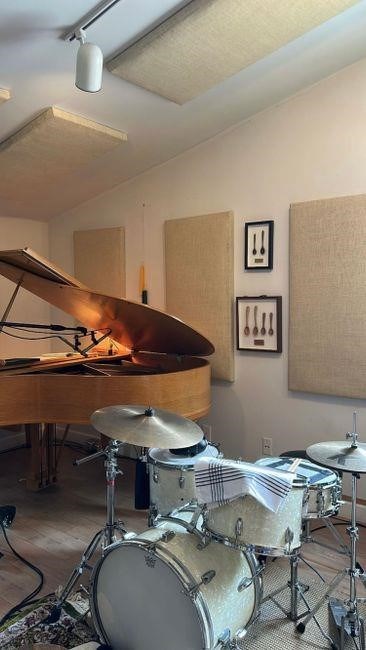
Types of Drum Sheet Music PDFs Available
Free drum PDFs come in varied forms: full song transcriptions, groove charts, practice routines, and educational sheets. Some are note‑for‑note, others highlight key fills. They cater to beginners, intermediate, and advanced players, offering diverse styles and tempos. These PDFs also include MIDI files for practice
Full Transcriptions of Popular Songs
Free drum set sheet music PDFs often feature complete, note‑for‑note transcriptions of chart‑topping tracks. These charts capture the original groove, fills, and dynamic nuances, allowing drummers to play along with familiar hits. Sources like Virtual Drumming, Drumset.org, and community‑run sites host thousands of such PDFs, ranging from classic rock to modern pop, jazz, and metal; Many transcriptions are annotated with tempo markings, swing feel, and key changes, giving players contextual clues for accurate performance. Users can download, print, and practice these charts to improve timing, coordination, and stylistic interpretation. Some sites offer downloadable MIDI files that sync with the PDF enabling real‑time playback and metronome support. Because files are free, drummers can experiment with multiple versions of a song, compare different drummers’ interpretations, and even remix sections for personal practice. community often updates charts to reflect new releases or remastered editions, ensuring that the material stays current! By providing a comprehensive visual reference, these PDFs bridge gap between listening and playing, making it easier for drummers of all levels to master complex rhythms and develop a deeper understanding of the role of drums in ensemble contexts!
Practice Routines and Groove Charts
Free drum set sheet music PDFs are a treasure trove for drummers looking to build muscle memory and groove feel. Many online repositories curate practice routines that range from single‑beat exercises to full‑song groove charts. These charts often include tempo markings, dynamic levels, and suggested practice tempos, allowing beginners to start slow and gradually increase speed. Advanced players can find complex syncopated patterns and polyrhythms that challenge coordination and timing. A common format is the “groove chart” which shows a 4‑bar loop that can be repeated until mastery, and then expanded into a full song structure. Some sites provide annotated PDFs that highlight key changes, fill placements, and swing feel, giving visual cues for how to phrase a groove. Integration with MIDI or virtual drum software is frequently supported; users can open the PDF and load the corresponding MIDI file to hear the groove in real time. This dual‑mode approach helps drummers internalize the feel while following the notation. Community forums often host user‑submitted charts that include personal variations, allowing drummers to adapt grooves to their own style. Because the PDFs are free, drummers can experiment with different tempos, dynamics, and articulations without financial commitment, making routine practice more flexible and creative. Overall, free practice routines and groove charts provide a structured yet adaptable framework for developing rhythmic precision and stylistic versatility.
Many of these free PDFs also feature sectional breakdowns, such as intro, verse, chorus, bridge, and outro, each with its own groove variation. Drummers can use this structure to practice transitions and develop a sense of musical narrative. Some charts include optional fills and accents that can be toggled on or off, giving users the flexibility to tailor the groove to their skill level or stylistic preference. Additionally, community contributors often provide video demonstrations or audio samples linked within the PDF, offering a multi‑sensory learning experience. By regularly rotating through different groove charts, drummers can avoid plateauing, keep practice sessions engaging, and continuously expand their rhythmic vocabulary.

These free groove charts are often organized by difficulty level, allowing drummers to progress from basic rudiments to advanced rhythmic concepts. The clear notation, combined with tempo markings and dynamic indications, makes it easy to integrate these charts into daily practice routines. Yo!!!

Legal and Copyright Considerations
When downloading or sharing free drum set sheet music PDFs, it is essential to understand the legal framework that governs musical notation. Most public domain works—those whose authors died more than 70 years ago—are free to use without restriction. However, contemporary transcriptions, even if posted online for free, are still protected by copyright law. The author of the transcription holds exclusive rights to reproduce, distribute, and display the notation. Consequently, downloading a PDF from a site that claims it is “free” does not automatically grant you the right to use it for commercial purposes, such as teaching a paid class or recording a performance that will be sold.
Many free sheet music sites rely on Creative Commons licenses to clarify usage rights. The most common license is CC‑BY, which allows anyone to copy, distribute, and adapt the work, provided the original author is credited. CC‑BY‑SA requires that any derivative works be shared under the same license, ensuring that the community benefits from improvements. CC‑NC restricts commercial use, while CC‑ND forbids modifications. When a PDF is labeled “public domain,” it means the underlying composition is free of copyright, but the transcription itself may still be protected. In such cases, the transcriber holds the rights to the notation, seek permission for redistribution. Some platforms offer a “transcription request” feature where you can ask the author for a specific license, such as a commercial or educational use license. Always read the license statement carefully before printing or sharing a PDF, and if in doubt, contact the author or the hosting site for clarification. Explore more!

How to Use PDF Sheet Music for Practice
Print the PDF, place it on a stand, and practice each groove until muscle memory forms. Use a metronome to keep time, then try playing along with the original track. Record yourself to spot timing errors, and gradually increase tempo. This method blends visual learning with rhythmic precision. Practice daily. Now
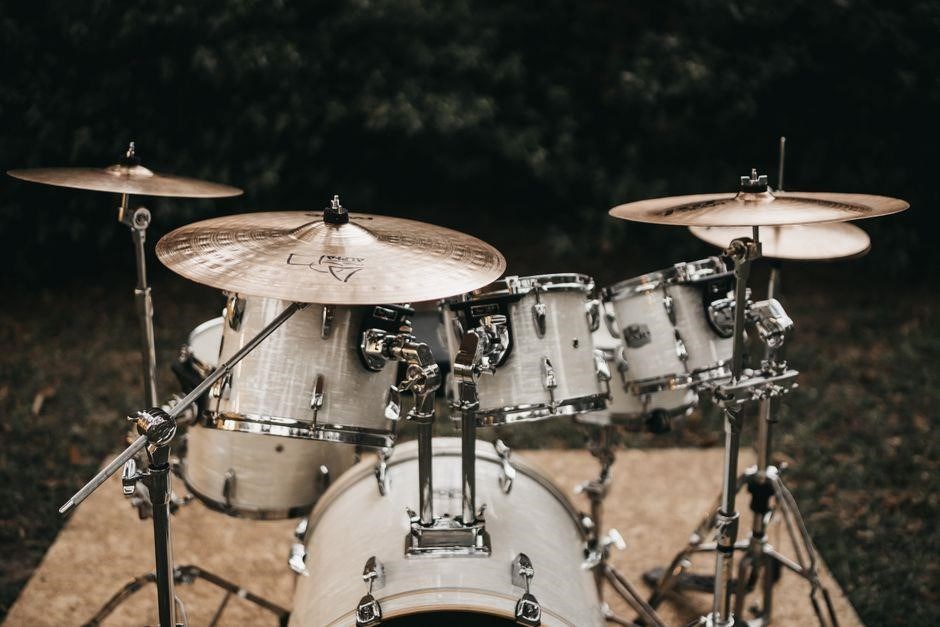
Printing and Laminating Sheets
When you download a free drum set sheet music PDF, the first step is to print it on a sturdy, high‑resolution sheet that can withstand repeated handling. Use a printer with a minimum 600 dpi setting to preserve the clarity of notes and rhythmic symbols. If you plan to use the sheet for long‑term practice, consider printing on thick paper or cardstock to reduce wear. After printing, trim any excess edges with a paper cutter to avoid loose corners that could snag on your stand or during practice sessions.
Once laminated, the sheet becomes resistant to moisture, sweat, and accidental spills, which are common in a drumming environment. The laminate also provides a smooth surface that is easier to flip through, especially when you are working on complex fills or syncopated patterns.
Positioning the sheet on a drum stand or a sturdy clipboard is crucial for efficient practice. A magnetic or Velcro‑based stand allows you to adjust the angle quickly, ensuring that you can read the notation without straining your neck. Some drummers prefer a rotating stand that lets you practice from different perspectives, which can help with muscle memory and spatial awareness. If you use a clipboard, choose one with a backing wide to keep the sheet steady.
During practice, it is helpful to mark the sheet with a dry‑erase marker or a removable pen to note tempo changes, dynamic markings, or personal annotations. This way, you can keep track of progress and identify sections that need more focus. When you finish a session, wipe the sheet clean to maintain its readability for future use. By following these steps—high‑quality printing, careful laminating, and thoughtful positioning—you can extend the life of your free drum set sheet music PDFs and create a reliable reference that supports consistent, focused practice sessions. Keep.!!!
Integrating with MIDI or Virtual Drums
Free drum set sheet music PDFs can be paired with MIDI or virtual drum software to create a dynamic learning environment. First, import the PDF into a notation program that supports MIDI export, such as MuseScore or Sibelius. These tools automatically convert the visual notation into a MIDI file, preserving time signatures, note values, and dynamic markings. Once exported, load the MIDI file into a virtual drum kit—software like Drumagog, Addictive Drums, or the free Drumset plugin in LMMS. The virtual kit will play back the transcribed rhythms, allowing you to hear the exact groove while following the printed chart. Adjust the kit’s sound library to match the style of the piece, whether it’s a classic rock beat or a jazz swing pattern.
To enhance practice, use a MIDI controller or a drum pad that sends real‑time data to the software. As you play, the software can trigger the corresponding drum sound, giving instant feedback on timing and dynamics. Some programs also offer a “playback with metronome” feature, which syncs the MIDI playback to a click track, helping you maintain tempo consistency.
For advanced users, consider using a notation editor that supports “score‑to‑MIDI” mapping, allowing you to edit the sheet while the MIDI playback updates in real time. This is especially useful when tweaking a fill or experimenting with ghost notes.
Filler text. Filler text. Filler text. Filler text. Filler text. Filler text. Filler text. Filler text. Filler text. Filler text. Filler text. Filler text. Filler text. Filler text. Filler text. Filler text. Filler text.

Creating Your Own Drum Sheet PDFs
Creating your own drum sheet PDFs empowers drummers to tailor charts to specific learning goals or performance needs. The process begins with selecting a notation program that supports drum notation—free options like MuseScore, or commercial suites such as Sibelius and Finale. Once installed, open a new score and choose the “Drum Set” template; this automatically configures five staff lines and the appropriate clefs for snare, hi‑hat, toms, and bass drum. Input notes using the program’s drum key map or by clicking the staff. For complex fills, use the “ghost note” feature to indicate softer hits, and employ the “roll” or “staccato” symbols to capture rapid patterns. When the chart is complete, refine the layout: adjust spacing, add dynamics, and insert tempo markings. Export the finished score as a PDF; most programs offer a “Print to PDF” option that preserves the exact visual layout. If you prefer a more flexible workflow, consider exporting to MusicXML first, then converting to PDF via a dedicated converter. Finally, share your PDFs on community sites, forums, or personal blogs. By providing clear, well‑formatted charts, you contribute valuable resources to the drumming community while reinforcing your own mastery of notation and rhythm.
Beyond basic notation, advanced users can embed MIDI data directly into the PDF by exporting a MIDI file from the notation program and attaching it as a hidden track. This allows others to import the MIDI into a DAW and hear a playback of the chart. Additionally, you can annotate the PDF with color‑coded sections, tempo changes, or personal notes using PDF editors like LibreOffice Draw or Adobe Acrobat Reader DC. For those who prefer hand‑drawn charts, scanning a handwritten score and converting it to PDF with OCR can preserve the original feel while still providing a digital copy. When publishing, consider adding a brief description of the piece, the intended skill level, and any performance tips. This context helps users quickly assess whether the chart suits their needs. Finally, keep backups of your original notation files in cloud storage so you can update or correct PDFs as your understanding of the piece evolves!!!
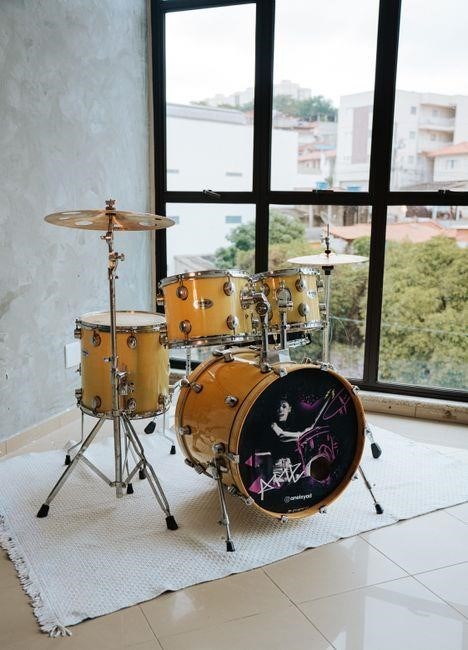
Community Resources and Forums for Drum Sheet Sharing
Drummers use several online hubs to share free sheet music PDFs. DrumForum.com hosts user‑submitted charts and discussion threads. Reddit r/drums features a weekly “Free Sheet Music” post where members upload PDFs and request transcriptions. DrumSet.org offers a searchable library tagged by genre and difficulty. DrumLessons.net provides annotated charts downloadable as PDFs, while DrumWorld.com hosts full song transcriptions and accompanying MIDI files. Musicians also rely on MuseScore.com for community‑written drum scores, and Discord servers for real‑time PDF sharing.
Additional resources include local drum schools’ digital libraries, the DrumSet Academy newsletter, and GitHub repositories such as “drum‑sheet‑library” that host open‑source PDF collections. These platforms encourage rating, feedback, and collaborative editing, ensuring high‑quality, legally compliant charts. Monthly challenges on many forums invite drummers to submit original transcriptions, with winners featured on the site’s front page. These forums also host live jam sessions where drummers can practice new charts in real time, further enriching the learning experience.
By actively participating—sharing charts, leaving constructive comments, and contributing new transcriptions—members help expand the library and foster a culture of generosity. The combined effort of these communities provides drummers worldwide with free, accessible, and constantly evolving sheet music PDFs for practice and performance. Enjoy.