
Dewalt Pressure Washer Owners Manual: A Comprehensive Guide (Updated 01/08/2026)
Welcome! This comprehensive guide, updated today – 01/08/2026 – details the Dewalt 4400 PSI pressure washer, covering features, functionality, and safe operation.
Dewalt pressure washers are renowned for their robust construction, powerful performance, and reliability, making them a popular choice for both homeowners and professionals. This manual serves as your guide to effectively and safely utilizing your new Dewalt 4400 PSI (and other models) pressure washer.
These machines are designed to tackle a wide range of cleaning tasks, from removing stubborn dirt and grime from driveways and siding to preparing surfaces for painting or staining. Understanding the features and proper operation of your pressure washer is crucial for achieving optimal results and ensuring its longevity. This manual will walk you through everything you need to know, starting with safety precautions and progressing through assembly, operation, maintenance, and troubleshooting.
Understanding Your Dewalt Model (4400 PSI & Others)
Dewalt offers a diverse range of pressure washers, with the 4400 PSI model being a particularly powerful option. However, various models exist, differing in PSI (pounds per square inch), GPM (gallons per minute), engine type (gas or electric), and included accessories.
This manual aims to provide general guidance applicable to most Dewalt pressure washers, but always refer to the specific documentation included with your model for detailed specifications and unique features. Familiarize yourself with the location of key components like the pump, motor/engine, high-pressure hose connections, and nozzle attachments. Knowing your model’s capabilities will ensure effective and safe cleaning.

Safety Precautions & Warnings
Prioritize safety! Always read and understand all instructions before operating your Dewalt pressure washer to prevent injury and ensure proper usage.
General Safety Rules
Read this carefully! Before each use, thoroughly inspect the Dewalt pressure washer for any damaged parts, including hoses, connections, and nozzles. Never operate a damaged unit. Always wear safety glasses or a face shield to protect your eyes from debris. Securely fasten all connections before starting the machine.
Keep children and bystanders away from the operating area. Never point the wand at yourself or others. Avoid spraying electrical components. Be mindful of the spray’s force, as it can cause damage. Do not modify the pressure washer in any way. Always disconnect the power source before servicing or changing accessories. Follow all local safety regulations.
Electrical Safety Guidelines
Crucial for safe operation! Ensure the power supply voltage matches the pressure washer’s requirements. Never use extension cords unless absolutely necessary, and if so, use a heavy-duty cord rated for outdoor use. Avoid using the pressure washer in wet conditions or near standing water.
Always plug the pressure washer directly into a grounded outlet. Never remove the grounding prong from the plug. Do not operate the unit with a damaged power cord. If the cord is damaged, it must be replaced by a qualified technician. Disconnect the power supply before performing any maintenance or repairs. Protect the power cord from damage.
High-Pressure Spray Safety
Extreme caution is vital! Never point the high-pressure spray at people, animals, or yourself. The force of the water can cause severe injury. Always maintain a safe distance from the spray pattern. Wear appropriate safety gear, including eye protection and closed-toe shoes.
Be mindful of the potential for ricochet. Avoid spraying hard surfaces at close range. Never modify the spray wand or nozzle. Inspect the hose for damage before each use. Ensure all connections are secure. Do not attempt to repair a damaged hose yourself; replace it immediately.

Assembly & Setup
Prepare for powerful cleaning! This section guides you through unboxing, connecting the hose, and attaching nozzles for optimal Dewalt pressure washer performance.
Unboxing and Component Identification
Carefully unpack your Dewalt pressure washer, ensuring all components are present. You should find the main pressure washer unit, a high-pressure hose, a trigger gun assembly, various quick-connect nozzles (0°, 25°, 40°, soap), and potentially a detergent tank.
Inspect each part for any shipping damage before proceeding. Refer to the parts diagram in this manual to positively identify each component. The box should also contain this owner’s manual and any relevant safety information.
Keep the original packaging for potential warranty claims or future transport. Familiarizing yourself with these parts now will simplify the setup process and ensure efficient operation of your new Dewalt pressure washer.
Connecting the High-Pressure Hose
Begin by firmly attaching the high-pressure hose to the outlet port on the pressure washer pump. Ensure a secure, hand-tight connection; avoid using tools which could damage the fittings. Next, connect the other end of the hose to the trigger gun assembly, again ensuring a snug, hand-tight fit.
Before fully tightening, briefly inspect the connections for any kinks or damage to the hose. A damaged hose can burst under pressure, creating a safety hazard.
Double-check all connections before operation to prevent leaks and maintain optimal pressure. Proper hose connection is crucial for safe and effective pressure washing.
Attaching Nozzles & Accessories
To attach nozzles, first ensure the pressure washer is completely switched off and the trigger gun is released. Locate the quick-connect fitting on the trigger gun wand. Gently push the desired nozzle into the fitting until it clicks securely into place.
To remove a nozzle, depress the release collar on the quick-connect fitting while simultaneously pulling the nozzle away from the wand.
Accessories, like soap applicators, attach similarly using the quick-connect system. Always verify a secure connection before operating to prevent accidental disconnection during use.

Operation Instructions
Begin operation by confirming all connections are secure, then start the engine or plug in the power cord, following the detailed starting procedures outlined herein.
Starting the Pressure Washer
Before starting, ensure the pressure washer is on a level surface and all connections – water supply, high-pressure hose, and nozzle – are securely fastened. Verify the water supply is fully turned on to provide adequate water flow.
For gas-powered models, check the oil level and fuel tank. Engage the choke if the engine is cold, then pull the starter cord firmly and repeatedly until the engine ignites. For electric models, plug the power cord into a grounded outlet.
Once running, allow the engine to warm up for a few minutes before engaging the spray gun trigger. Always test the pressure washer in a safe, open area, directing the spray away from people and objects. Never operate a damaged unit.
Adjusting Pressure Settings
Dewalt pressure washers often feature adjustable pressure settings, allowing you to tailor the cleaning power to the task. Locate the pressure adjustment knob or dial – typically found near the pump or trigger gun.
Lower settings are ideal for delicate surfaces like painted wood or car finishes, minimizing the risk of damage. Higher settings are suitable for tough grime on concrete or heavily soiled surfaces.
Always start with the lowest pressure setting and gradually increase it until you achieve the desired cleaning result. Regularly check the surface you’re cleaning to avoid etching or stripping.
Proper Spraying Techniques
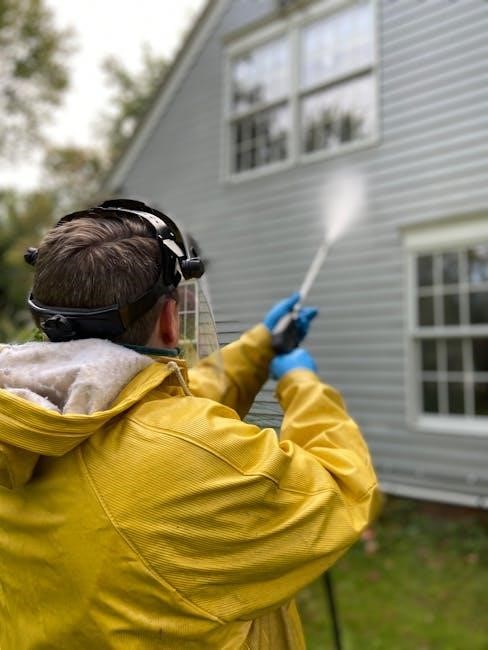
Effective cleaning with your Dewalt pressure washer relies on proper technique. Maintain a consistent distance from the surface – typically 8-12 inches – and use smooth, overlapping strokes.
Avoid holding the nozzle too close, as this can cause damage. Work from top to bottom to prevent streaking and ensure even cleaning. Angle the spray slightly downwards to maximize cleaning power and minimize backsplash.
Always test a small, inconspicuous area first to ensure the pressure and nozzle are appropriate for the surface. Rinse thoroughly after cleaning to remove any remaining dirt or detergent residue.

Maintenance & Troubleshooting
Regular upkeep ensures optimal performance and extends the life of your Dewalt pressure washer; address common issues promptly for continued efficiency.
Cleaning and Storage
Post-use cleaning is crucial for longevity. Always disconnect the power source and water supply before cleaning. Flush the detergent tank with clean water to prevent clogging and corrosion. Wipe down the exterior surfaces with a damp cloth, removing any dirt or debris.
For storage, ensure the unit is completely dry to avoid freezing damage in colder climates. Store the pressure washer in a clean, dry, and covered area, protected from extreme temperatures and direct sunlight. Properly coil the high-pressure hose to prevent kinks and damage. Consider using a hose reel for organized storage. Never store the unit with water remaining inside.
Nozzle Cleaning & Maintenance
Regular nozzle cleaning is essential for optimal performance. Mineral deposits and debris can clog the nozzle orifice, reducing spray pressure and efficiency. To clean, disconnect the nozzle and inspect for blockages. Use a thin wire or the provided nozzle cleaning tool to carefully remove any obstructions.
Avoid using sharp objects that could damage the nozzle’s internal components. Periodically soak nozzles in a vinegar solution to dissolve stubborn mineral buildup. Inspect nozzles for wear and tear; replace damaged nozzles promptly to maintain consistent spray patterns and prevent potential hazards. Store nozzles in a clean, dry location.
Common Issues & Solutions (e.g., No Water Flow)
No water flow is a frequent concern. First, verify the water supply is fully on and the inlet hose isn’t kinked. Check the water filter for clogs and clean it thoroughly. If the issue persists, the pump may need priming – consult the ‘Starting the Pressure Washer’ section. Low pressure often indicates a partially clogged nozzle; clean it as described previously.
Engine won’t start? Ensure sufficient oil and fuel levels. A clogged air filter can also cause starting problems. Overheating may signal insufficient ventilation or a pump issue; allow the unit to cool before restarting. If problems continue, contact Dewalt support.
Nozzle Selection Guide
Choose wisely! This guide details each nozzle’s purpose – from intense cleaning with the 0-degree tip to gentle washing using the 40-degree nozzle.
0-Degree Nozzle – For Intense Cleaning
Caution is key! The 0-degree nozzle delivers a highly concentrated, powerful spray stream. This makes it exceptionally effective for blasting away stubborn dirt, grime, and old paint from durable surfaces like concrete and metal.
Important considerations: Due to its intensity, never use this nozzle on softer materials – wood, car paint, or vinyl siding will be damaged. Maintain a safe distance, and always test in an inconspicuous area first. Improper use can cause etching or permanent marking. Always wear appropriate safety gear, including eye protection, when utilizing this powerful cleaning tool. This nozzle is for experienced users only.
25-Degree Nozzle – All-Purpose Cleaning
The workhorse of your nozzle collection! The 25-degree nozzle provides a versatile, medium-spread spray pattern, making it ideal for a wide range of cleaning tasks around your property. It’s effective on surfaces like siding, brick, patio furniture, and driveways.
A balanced approach: This nozzle offers a good balance between cleaning power and surface protection. It’s strong enough to remove dirt and grime, yet gentle enough to avoid causing damage to most exterior materials. Always start with this nozzle when unsure, and adjust as needed. Remember to maintain a consistent distance for even cleaning results.
40-Degree Nozzle – Gentle Cleaning
For delicate surfaces, choose wisely! The 40-degree nozzle delivers a wider, lower-pressure spray, making it perfect for cleaning more sensitive areas around your home. Think painted surfaces, car exteriors, or even delicate garden furniture.
Minimize the risk of damage: This nozzle significantly reduces the risk of etching or stripping paint, or causing any other unwanted damage; It’s excellent for rinsing away loose dirt and debris without aggressive blasting. Maintain a closer working distance for optimal cleaning, but always test a small, inconspicuous area first to ensure compatibility.
Soap Nozzle – Applying Detergents
Maximize cleaning power with soap! The soap nozzle, typically white in color, is specifically designed for applying detergents and cleaning solutions with your Dewalt pressure washer. It creates a high-foam spray, effectively lifting dirt and grime from surfaces.
Proper application is key: Ensure the detergent is compatible with your pressure washer (see Detergent Usage section). Attach the soap nozzle, fill the detergent tank, and select the appropriate low-pressure setting. Allow the detergent to dwell for a few minutes before rinsing thoroughly with a different nozzle.
Detergent Usage & Recommendations
Optimize cleaning! Use only detergents compatible with your Dewalt pressure washer to prevent damage and ensure effective grime removal for superior results.
Compatible Detergents
Choosing the right detergent is crucial for maximizing cleaning performance and protecting your Dewalt pressure washer. Always prioritize detergents specifically formulated for pressure washer use; household cleaners can cause foaming, damage internal components, or void your warranty.
Dewalt offers a range of dedicated detergents designed for various surfaces – from heavy-duty degreasers for concrete and engines to specialized cleaners for siding and vehicles. Third-party detergents are acceptable, provided they are clearly labeled as pressure washer safe and low-sudsing.
Avoid using bleach, ammonia, or chlorine-based cleaners, as these can corrode the pump and other parts. Always check the detergent label for compatibility with your specific cleaning task and the surface you intend to clean. Using incompatible detergents can lead to streaking, discoloration, or even permanent damage.
Mixing Ratios & Application
Proper detergent dilution is essential for effective cleaning and preventing damage to your Dewalt pressure washer. Always refer to the detergent manufacturer’s instructions for specific mixing ratios – typically ranging from 2:1 to 4:1 (detergent to water).
Dewalt pressure washers equipped with a detergent tank automatically mix the solution. Fill the tank with the appropriate amount of detergent, then fill the remainder with water. For manual application, use a dedicated detergent applicator or a bucket and mix thoroughly.
Apply detergent using the soap nozzle, maintaining a consistent distance from the surface. Allow the detergent to dwell for a few minutes before rinsing thoroughly with a low-pressure spray. Avoid letting the detergent dry on the surface.
Warranty Information & Support
Dewalt stands behind its pressure washers with a comprehensive warranty. Typically, this covers manufacturing defects in materials and workmanship for a period of three years from the date of purchase. Please retain your proof of purchase for warranty claims.
The warranty does not cover items damaged through misuse, abuse, or normal wear and tear. For detailed warranty information, please consult the separate warranty document included with your product or visit the official Dewalt website.
For support, contact Dewalt customer service via phone or online. Their website offers FAQs, troubleshooting guides, and parts diagrams to assist you.