
Mission Impossible: Fallout ⎻ Parents Guide
Mission: Impossible – Fallout earns a PG-13 rating due to intense action, violence, and some strong language; parental guidance is suggested for younger viewers.
Overall Rating and Suitability
Mission: Impossible – Fallout is generally rated PG-13, making it suitable for teenagers and older audiences, but requires parental discretion for younger viewers. The film’s intensity stems from prolonged and realistic action sequences, coupled with instances of violence.
While not explicitly targeting children, the franchise’s appeal to older kids and teens is undeniable. However, the film contains mature themes and potentially frightening moments that may not be appropriate for all ages. Parents should consider their child’s maturity level and sensitivity to action violence before allowing them to watch.
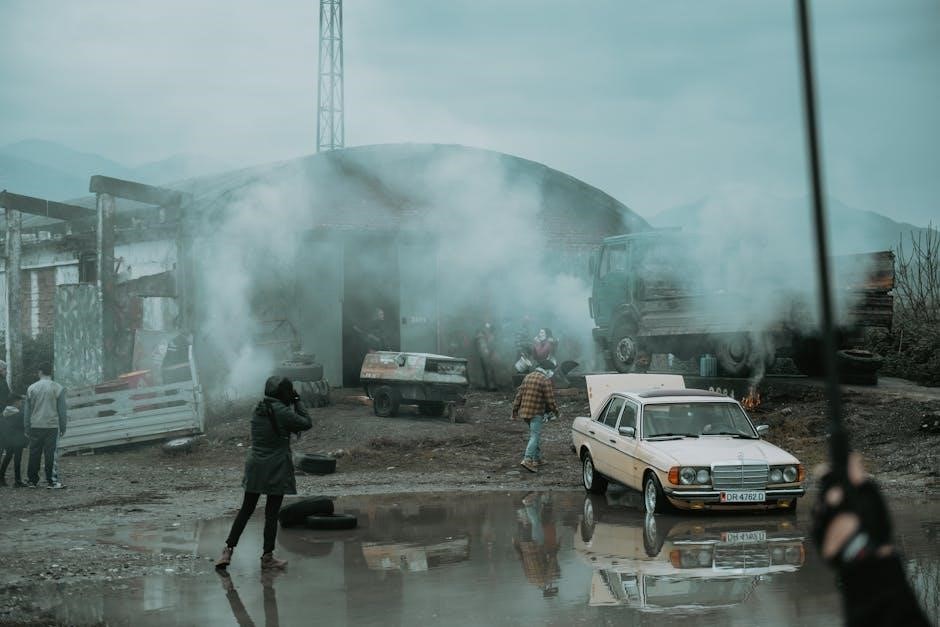
The blend of adventure and stunts is captivating, but the film’s darker elements necessitate careful consideration.
MPAA Rating Explanation
The Motion Picture Association of America (MPAA) assigned Mission: Impossible – Fallout a PG-13 rating primarily for its sequences of violence and intense action. This rating signifies that some material may be inappropriate for children under 13.
Specifically, the film features realistic combat, explosions, and perilous stunts that contribute to its heightened intensity. Additionally, the rating acknowledges the presence of “brief strong language,” though it isn’t pervasive throughout the film.
Parents should be aware that these elements, while not graphic or excessive, are present and may warrant discussion with younger or more sensitive viewers.
Violence Content
Mission: Impossible – Fallout contains frequent and intense action violence, typical for the spy-thriller genre. Expect numerous hand-to-hand combat scenes, featuring punches, kicks, and grappling. Gunfights are prevalent, with characters utilizing various firearms, though bloodshed is generally minimized.
Several elaborate stunts involve significant risk of physical harm, including falls from heights and vehicle chases with collisions. While not overly graphic, the violence is realistic and impactful, contributing to the film’s suspenseful atmosphere.
The film portrays a world where characters routinely face life-threatening situations, and violence is often presented as a necessary means to an end.
Intensity of Action Sequences
The action sequences in Mission: Impossible – Fallout are exceptionally intense and relentlessly paced, arguably the most thrilling in the series. They are characterized by elaborate choreography, practical stunts, and a sense of genuine danger. Extended sequences, like the helicopter chase and freefall parachute scenes, build significant suspense.
The film employs quick cuts and dynamic camera work to heighten the feeling of chaos and urgency. These sequences aren’t just visually impressive; they are emotionally engaging, placing the audience directly in the heart of the action.
The sheer scale and complexity of these set pieces contribute to a consistently high level of intensity.
Types of Violent Acts Depicted
Mission: Impossible – Fallout features several types of violent acts, primarily focused on hand-to-hand combat, gunfights, and explosions. While not excessively graphic, the violence is frequent and realistic in its presentation. Characters are shown being punched, kicked, and thrown, resulting in visible bruising and injury.

Gunfights involve both close-quarters and long-range shooting, with characters being shot and falling, though blood is generally minimal. Explosions are large-scale and impactful, causing significant destruction. The film avoids dwelling on the aftermath of violence, focusing instead on the action itself.
There’s a sense of peril, but it’s largely stylized.
Language

Mission: Impossible – Fallout contains brief instances of strong language, contributing to its PG-13 rating. While profanity isn’t pervasive throughout the film, harsher words are used during moments of intense action or conflict. Expect to hear a few uses of terms like “damn” and potentially slightly stronger exclamations.
The language isn’t particularly vulgar or graphic, and it doesn’t appear to be used gratuitously. It primarily serves to emphasize the high-stakes situations the characters find themselves in. Overall, the language is relatively mild compared to some other action films.
Parents should be aware, but it’s unlikely to be a major concern.
Frequency of Strong Language
The occurrence of strong language in Mission: Impossible – Fallout is relatively infrequent, justifying its inclusion as a contributing factor to the PG-13 rating rather than a dominant element. Profanity isn’t consistently present throughout the film’s runtime; it’s strategically placed during moments of heightened tension or emotional outbursts.
Expect only a handful of instances of stronger words, spaced out across the two-and-a-half-hour duration. The film doesn’t rely on excessive cursing to build intensity or characterization. It’s a moderate level of language, unlikely to be overly disturbing for most teenagers.
Specific Examples of Language Used
While not pervasive, Mission: Impossible – Fallout contains a few instances of strong language. Expect to hear words like “damn” and “hell” used in moments of stress or during action sequences. There are also a couple of uses of the word “shit,” typically exclaimed during intense situations.
The language isn’t particularly graphic or creatively offensive; it serves primarily as emphasis. Characters don’t engage in prolonged cursing or use language in a deliberately malicious way. The instances are brief and contextual, contributing to the film’s overall intensity without being overly explicit.
Mature Themes
Mission: Impossible – Fallout delves into complex themes of loyalty, betrayal, and the sacrifices made in the name of national security. The plot involves morally ambiguous characters making difficult choices with global consequences, potentially sparking discussions about ethical dilemmas.
The film explores the idea of whether the ends justify the means, presenting situations where characters must compromise their principles. Furthermore, the narrative features intricate plot twists and double-crosses, requiring attentive viewing and potentially prompting conversations about trust and deception. These elements add layers of maturity beyond the action sequences.
Brief Discussion of Complex Plot Points
Fallout’s narrative centers around the aftermath of the Syndicate’s dismantling and the emergence of a new threat, the Apostles. The film’s core revolves around Ilsa Faust’s ambiguous allegiance and the pursuit of plutonium, creating a web of uncertainty.
Ethan Hunt’s mission is complicated by the need to choose between completing his objective and saving a teammate’s life, presenting a significant moral conflict. The plot’s intricacies, involving multiple factions and shifting loyalties, may require older teens to fully grasp the nuances and appreciate the film’s layered storytelling.
Ethical Dilemmas Presented in the Film
Mission: Impossible – Fallout presents several ethical challenges. Ethan Hunt frequently operates outside official channels, questioning the boundaries of lawful conduct for the greater good. The film explores the justification of sacrificing individuals to prevent larger-scale catastrophes, forcing viewers to contemplate difficult moral choices.
Ilsa Faust’s divided loyalties raise questions about trust and the complexities of espionage. The Apostles’ extremist ideology and willingness to embrace destruction highlight the dangers of unchecked fanaticism. These dilemmas offer opportunities for discussion about integrity, consequences, and the weight of responsibility.
Sex & Nudity
Mission: Impossible – Fallout contains minimal sexual content. There are no explicit depictions of sexual acts. Brief suggestive situations arise from character interactions and implied romantic tension between Ethan Hunt and Ilsa Faust, but these are handled discreetly.
Nudity is virtually nonexistent; some scenes feature characters in revealing clothing during undercover operations or intimate moments, but nothing is graphic or prolonged. The film focuses primarily on action and espionage, with romantic elements serving as secondary plot devices rather than explicit sexual themes.
Drug & Alcohol Use
Mission: Impossible – Fallout portrays moderate alcohol consumption throughout the film. Characters are frequently shown drinking in bars, during meetings, and social gatherings. Alcohol is often present as a backdrop to scenes involving espionage and negotiation, but it isn’t glorified or presented as essential to the plot.
Drug use is minimal and not explicitly depicted. There are subtle references to potential drug involvement in certain criminal underworld scenes, but no characters are shown actively using or distributing illegal substances. The film’s focus remains firmly on action and intrigue, with substance use playing a very minor role.
Frightening Scenes
Mission: Impossible – Fallout contains several intense and suspenseful moments that may frighten younger or more sensitive viewers. The film features perilous stunts, including high-altitude free-fall sequences and dangerous helicopter chases, creating a constant sense of tension. Several scenes involve characters in life-threatening situations, facing potential injury or death.
While not relying heavily on jump scares, the film utilizes sudden, impactful action and dramatic music to heighten suspense. Potentially disturbing imagery includes scenes of violence and characters experiencing physical distress. The overall tone is dark and gritty, contributing to a generally unsettling atmosphere for some audiences.
Jump Scares and Suspenseful Moments
Mission: Impossible – Fallout doesn’t heavily rely on traditional jump scares, but builds tension through expertly crafted suspenseful moments. The film excels at creating a constant feeling of unease, with prolonged sequences of high stakes and perilous situations. Unexpected bursts of action, like sudden attacks or close calls during stunts, can be startling.
The suspense stems from the realistic portrayal of danger and the characters’ vulnerability. Intense helicopter chases, free-fall sequences, and hand-to-hand combat are all executed with a level of realism that amplifies the anxiety. These moments, combined with a driving score, contribute to a consistently thrilling, yet potentially frightening, experience.
Potentially Disturbing Imagery
Mission: Impossible – Fallout contains some potentially disturbing imagery, primarily related to the consequences of violence. While not excessively graphic, scenes depict characters injured or in perilous situations, which could be upsetting for sensitive viewers. The film portrays realistic fight sequences with visible impacts and struggles.
Brief moments showcase the aftermath of explosions and destruction, though focusing more on the action than gore. The psychological tension and high stakes also contribute to a sense of unease. Parents should be aware that the film deals with themes of betrayal and sacrifice, which might be emotionally challenging for younger or more sensitive children.

Age Recommendations
Mission: Impossible – Fallout is generally considered suitable for teenagers and older, aligning with its PG-13 rating. A minimum age of 13 is recommended, but parental discretion is advised, especially for younger teens. Children who are easily frightened or sensitive to intense action sequences may not be ready for this film.
Consider your child’s maturity level and prior exposure to action and thriller genres; If they’ve handled similar content before, they’re more likely to enjoy it. Discussing the film’s themes and violence afterward can also be beneficial. Ultimately, parents should make the final decision based on their individual child’s needs.
Recommended Age for Viewing
A recommended age for viewing Mission: Impossible – Fallout is 13 years old and up, aligning with the PG-13 rating. However, maturity levels vary significantly. Some 12-year-olds might be prepared, while others may find the intensity overwhelming.
Parents should assess their child’s tolerance for suspense, action violence, and complex plotlines. If a child is sensitive to these elements, waiting until they are older is advisable. Prior experience with similar action thrillers is a good indicator of readiness. Open communication before and after viewing is crucial.
Considerations for Younger Teens
For younger teens (13-15), Mission: Impossible – Fallout requires careful consideration. The film’s intricate plot and ethical dilemmas might be challenging for some to fully grasp. Intense action sequences and realistic violence could be disturbing, potentially causing anxiety or nightmares.
Parents should discuss the difference between movie violence and real-life consequences. It’s beneficial to address the film’s themes of loyalty, betrayal, and the sacrifices made in the name of duty. Be prepared to answer questions and offer reassurance regarding potentially frightening scenes or complex moral ambiguities.
Comparison to Previous Mission Impossible Films
Mission: Impossible – Fallout significantly raises the stakes and intensity compared to earlier installments. Critics widely agree it’s the most action-packed and suspenseful film in the series to date. While previous films contained action, Fallout features more prolonged and brutal fight sequences, alongside genuinely dangerous stunts performed by Tom Cruise.
The complexity of the plot and the moral gray areas explored are also more pronounced. Earlier films leaned more towards straightforward espionage, whereas Fallout delves into deeper themes of trust and sacrifice. Parents should be aware of this escalation in content when deciding if it’s appropriate for their children.
How Fallout Compares in Terms of Intensity
Mission: Impossible – Fallout demonstrably surpasses previous films in sheer intensity. The action sequences are longer, more frequent, and feature a higher degree of peril. Practical stunts, like Cruise’s HALO jump and motorcycle chase, heighten the realism and tension, making the film feel more visceral.
Compared to earlier, more gadget-focused installments, Fallout emphasizes hand-to-hand combat and physical endurance. The violence, while not excessively graphic, is more impactful due to its sustained nature. The film’s suspenseful moments are also more prolonged and psychologically taxing, potentially unsettling for younger or sensitive viewers.
Changes in Content from Earlier Installments
Earlier Mission: Impossible films often relied on intricate plots centered around technological espionage and elaborate heists. Fallout shifts focus towards a more grounded, character-driven narrative, exploring themes of loyalty, sacrifice, and the consequences of choices.
While previous films contained action, Fallout elevates the stakes with a relentless pace and a greater emphasis on physical danger. The moral ambiguities are also more pronounced, presenting Ethan Hunt with difficult ethical dilemmas. The film’s tone is noticeably darker and more serious compared to the lighter, more playful approach of some earlier entries in the series.
Parental Concerns & Discussion Points
Mission: Impossible – Fallout presents opportunities to discuss themes of trust, betrayal, and the complexities of morality with older children and teens. The film’s intense action sequences and depictions of violence may be disturbing for younger or more sensitive viewers.
Parents might want to discuss the characters’ motivations and the consequences of their actions, particularly regarding the ethical dilemmas presented. Consider exploring the film’s portrayal of government agencies and the potential for abuse of power. It’s also a good chance to talk about the risks associated with stunt work and the dedication of performers.
Common Sense Media Review Summary
Common Sense Media notes that Mission: Impossible – Fallout is the most intense installment in the series yet, earning a PG-13 rating for its frequent violence and action sequences. The review highlights the film’s thrilling stunts and complex plot, but cautions parents about the potentially frightening and disturbing imagery.
It suggests the film is best suited for older teens and adults, acknowledging that younger viewers may find the intensity overwhelming. The review also points out the presence of brief strong language, contributing to the overall mature tone. Parental discretion is strongly advised.
Detailed Content Breakdown
Detailed analysis reveals frequent, intense action sequences including fistfights, shootouts, and explosions throughout Mission: Impossible – Fallout. Several scenes depict characters in perilous situations, facing realistic threats and physical harm. Language consists of brief strong terms, though not pervasive.
Specific scenes, like the helicopter chase and freefall sequence, are particularly intense and may be frightening for younger viewers. The film’s plot involves complex espionage and ethical dilemmas, requiring a degree of maturity to fully grasp. Parental awareness of these elements is crucial.
Specific Scene Analysis (Violence)
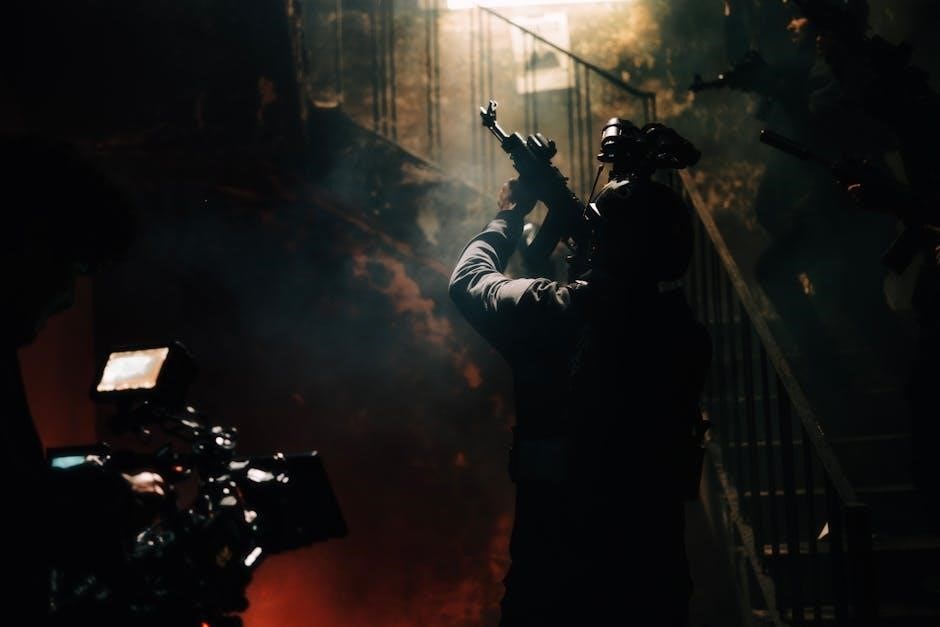
The helicopter chase showcases intense aerial combat, with helicopters crashing and characters narrowly escaping explosions – visually impactful and potentially frightening. The freefall sequence, while spectacular, involves significant risk and implied danger. Numerous hand-to-hand combat scenes are present, featuring realistic fighting choreography and physical impact.
Shootouts are frequent, with characters utilizing firearms and engaging in prolonged exchanges. While not excessively graphic, the violence is consistent and intense. The bathroom fight is particularly brutal, showcasing close-quarters combat. These scenes contribute to the film’s overall PG-13 rating.
Specific Scene Analysis (Language)
Brief strong language is present throughout Mission: Impossible – Fallout, though it isn’t pervasive. Instances of words like “damn” and “hell” occur during moments of intense action or stress. While not frequent, these expletives contribute to the film’s PG-13 rating. Dialogue generally avoids harsher profanity, maintaining a relatively restrained tone.
Characters use assertive and occasionally aggressive language during confrontations, reflecting the high-stakes nature of their missions. These exchanges aren’t overly vulgar but demonstrate tension. The language used is functional to the plot and character interactions, rather than gratuitous or offensive.
Alternative Resources for Parents
For more detailed reviews and insights, Common Sense Media ([https://www.commonsensemedia.org/movie-reviews/mission-impossible-fallout](https://www.commonsensemedia.org/movie-reviews/mission-impossible-fallout)) offers a comprehensive parents guide, including age recommendations and content breakdowns. This resource provides a balanced perspective on the film’s suitability for different age groups.
Online community forums, such as those found on sites like Reddit (search for “Mission Impossible Fallout parents”), can offer valuable discussions and shared experiences from other parents. These platforms allow for exchanging opinions and concerns regarding the film’s content and potential impact on children.
Websites with Detailed Reviews
Several websites offer in-depth reviews specifically geared towards parents. Common Sense Media ([https://www.commonsensemedia.org/movie-reviews/mission-impossible-fallout](https://www.commonsensemedia.org/movie-reviews/mission-impossible-fallout)) provides a detailed analysis of violence, language, and mature themes, alongside age recommendations.

IMDb’s parent guide ([https://www.imdb.com/title/tt4940796/parentalguide](https://www.imdb.com/title/tt4940796/parentalguide)) offers a quick overview of potentially sensitive content. Additionally, websites like Movieguide ([https://www.movieguide.org/](https://www.movieguide.org/)) provide reviews from a faith-based perspective, highlighting potentially concerning elements.
Community Forums for Discussion
Engaging with online communities can offer valuable perspectives when deciding if Mission: Impossible – Fallout is suitable for your family. Reddit’s r/movies and r/Parenting often host discussions about film content and age appropriateness.
Websites like Parentdish ([https://www.parentdish.co.uk/](https://www.parentdish.co.uk/)) and other parenting forums allow parents to share their experiences and concerns regarding the film’s intensity and themes. These platforms provide a space to ask questions and gain insights from other parents facing similar decisions about media consumption.