
Embarking on a witch’s path requires diligent research, starting with foundational texts like those by Gerald Gardner,
the ‘father of modern witchcraft’․ Explore Wicca and its traditions!
What is Witchcraft?
Witchcraft is a deeply personal practice, a spiritual path often misunderstood and shrouded in misconceptions․ At its core, it’s about connecting with the natural world, harnessing energy, and intentionally manifesting change in one’s life․ It’s not about evil or devil worship, as historical stereotypes suggest, but rather a reverence for the earth and its cycles․
Modern witchcraft is incredibly diverse, encompassing a wide range of traditions and beliefs․ Some practitioners follow established paths like Wicca, while others create their own eclectic practices․ It involves working with energies – whether through spellcasting, ritual, or meditation – to achieve desired outcomes․
Understanding that witchcraft is about empowerment and self-discovery is crucial․ It’s a journey of learning, growth, and connecting with your inner power․ It’s about taking responsibility for your own life and actively shaping your reality․ Researching different aspects and finding what resonates with you is key to a fulfilling practice․
Defining Wicca vs․ Witchcraft
While often used interchangeably, Wicca and witchcraft are distinct, though overlapping, concepts․ Witchcraft is the broader practice of working with energy and intention to create change, a craft that predates many organized religions․ It’s a skillset, a way of interacting with the world․
Wicca, however, is a specific religion that developed in the mid-20th century, largely through the work of Gerald Gardner․ It’s a duotheistic religion, revering a God and a Goddess, and emphasizes harmony with nature, ethical living, and the Wheel of the Year․
All Wiccans are witches, practicing witchcraft as part of their faith, but not all witches are Wiccan․ A witch can follow many different spiritual paths, or none at all․ Understanding this distinction is vital for newcomers, allowing for a clearer understanding of personal beliefs and practice․ It’s about finding where you fit within the larger spectrum of magical practice․
Historical Roots of Modern Witchcraft
Modern witchcraft isn’t a new phenomenon, but a revival and reimagining of older traditions․ While pinpointing a single origin is impossible, its contemporary form largely stems from the early to mid-20th century․ Preceding this, folklore, herbalism, and various pagan beliefs persisted, often in secrecy, particularly after periods of intense persecution․
The figure of Gerald Gardner is central to this revival․ He claimed to have been initiated into a surviving coven of witches and, in the 1950s, began publicizing his version of the Craft, laying the foundations for Wicca․ His work, including The Gardnerian Book of Shadows, became hugely influential․
However, Gardner wasn’t working in a vacuum․ Aleister Crowley, a controversial occultist, also significantly impacted the development of modern magical thought, inspiring Gardner and others with his emphasis on individual will and ceremonial magic․ These influences, combined with a growing interest in neo-paganism, shaped the witchcraft we know today․
Gerald Gardner and the Gardnerian Tradition
Gerald Gardner (1884-1964) is widely considered the “father of modern witchcraft,” credited with synthesizing various occult and pagan elements into what became Wicca․ He claimed initiation into a pre-existing coven, the New Forest coven, though the veracity of this claim remains debated among scholars․
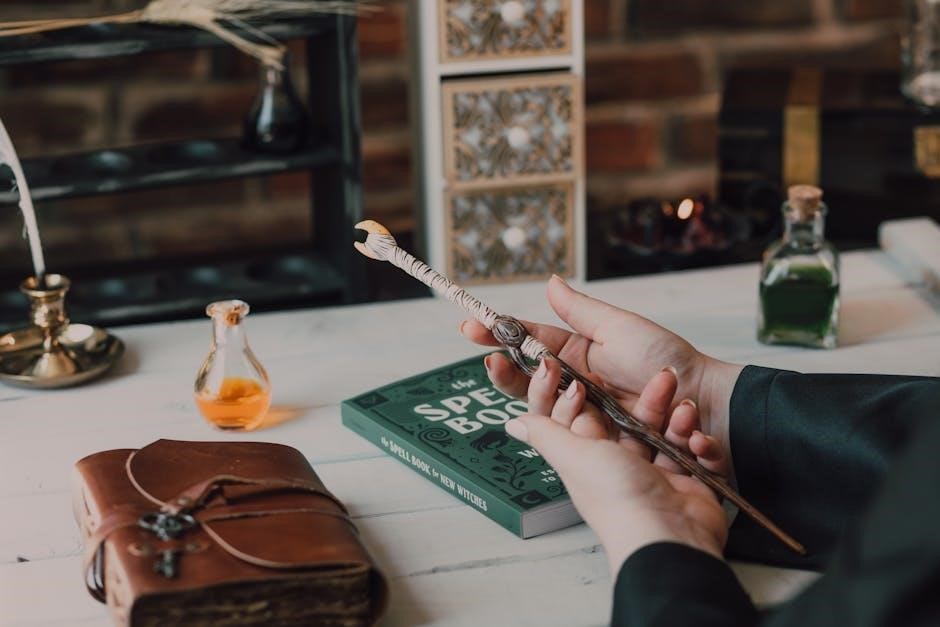
In the 1950s, Gardner began publishing books like Witchcraft Today (1954) and, crucially, The Gardnerian Book of Shadows, a collection of rituals, spells, and lore․ This book became the cornerstone of the Gardnerian tradition, the oldest known initiated Wiccan lineage․
Gardnerian Wicca is characterized by its emphasis on ritual, initiations, and a structured coven system․ It typically involves skyclad (naked) practice, reverence for both a God and Goddess, and a focus on magical workings․ His tradition established many core practices still prevalent in Wicca today, shaping the path for countless practitioners․
Aleister Crowley’s Influence
Aleister Crowley (1875-1947), a controversial occultist, significantly impacted the development of modern witchcraft, despite not being a Wiccan himself․ Gardner acknowledged drawing inspiration from Crowley’s work, particularly his system of Thelema, which emphasizes “Do what thou wilt․”
Crowley’s The Book of the Law, a central text of Thelema, introduced concepts like the importance of individual will and the exploration of magical techniques․ While Gardner diverged from Crowley’s more complex and often individualistic practices, elements of Crowley’s ceremonial magic found their way into early Wiccan rituals․
The influence isn’t direct replication; Gardner adapted and reinterpreted Crowley’s ideas within a pagan framework․ Crowley’s emphasis on ritual, symbolism, and the power of intention resonated with Gardner, contributing to the evolving landscape of modern witchcraft and its diverse paths․
Essential Tools for a Beginner Witch
Beginning your practice doesn’t demand extravagance; simplicity is key․ However, certain tools enhance your connection to the craft․ A foundational element is the altar, your sacred workspace․ This can be any surface dedicated to your practice, adorned with items holding personal meaning․
Crystals are potent tools for focusing energy, each possessing unique properties – amethyst for intuition, rose quartz for love, and clear quartz for amplification․ Herbs, with their rich magical correspondences, are invaluable for spellwork and creating potent mixtures․
Beyond these, consider a cauldron (symbolizing transformation), a wand (directing energy), and a journal (recording experiences)․ Remember, tools are conduits; your intention is the true source of power․ Explore resources to learn about specific tool uses!
The Altar: Setting Up Your Sacred Space
Your altar is the heart of your practice, a dedicated space for connection and ritual․ It doesn’t require a grand setup; a small table, shelf, or even a windowsill can suffice․ The key is intention – designating this area as sacred․
Adorn your altar with items that resonate with you and your path․ This might include crystals, herbs, candles (representing the elements), representations of deities, and tools like a wand or chalice․ Consider the elements – Earth, Air, Fire, and Water – and incorporate symbols representing each․
Personalize it! Family heirlooms, natural objects, or artwork can imbue the space with your unique energy․ Regularly cleanse your altar to maintain its energetic clarity․ Remember, the altar is a reflection of you and your evolving practice․
Crystals: Properties and Uses
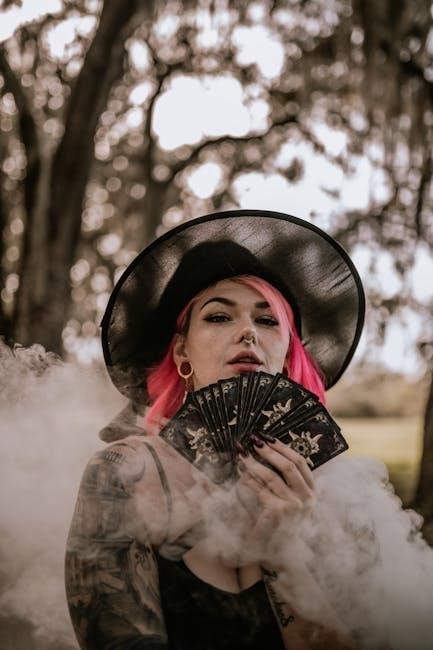
Crystals are powerful tools in witchcraft, each possessing unique vibrational energies․ They can be used for healing, protection, manifestation, and enhancing spellwork․ Amethyst is known for its calming and spiritual properties, while clear quartz amplifies energy and intention․
Rose quartz fosters self-love and emotional healing, and black tourmaline provides grounding and protection against negative energies․ When selecting crystals, trust your intuition – choose those you are drawn to․
Cleanse your crystals regularly to remove accumulated energies․ Methods include running them under cool water, smudging with sage, or placing them in sunlight or moonlight․ Program your crystals by holding them and focusing your intention into them․ Incorporate them into spells, carry them for daily support, or place them on your altar․
Herbs: Magical Correspondences and Applications
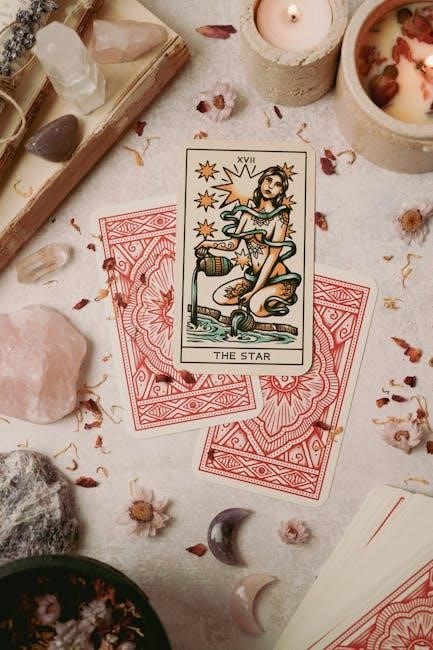
Herbs have been used in magical practices for centuries, each carrying specific energies and correspondences․ Understanding these connections is key to effective spellwork․ Rosemary is associated with remembrance, protection, and purification, while lavender promotes peace, relaxation, and love․
Chamomile is linked to prosperity and good luck, and sage offers cleansing and wisdom․ When working with herbs, consider their planetary correspondences, elements, and deities․ Use them in potions, incense, sachets, or sprinkle them during rituals․
Always research herbs thoroughly before use, as some can be toxic․ Ethically source your herbs, and show respect for the plant kingdom․ Incorporate herbs into your practice to deepen your connection with nature and enhance your magical intentions․
Basic Witchcraft Practices
Core to witchcraft are practices that build energy and intention․ Casting a circle creates a sacred, protected space for spellwork and ritual․ Visualize a sphere of light surrounding you, defining the boundaries between worlds․ Spellcasting involves focusing your will and energy to manifest desired outcomes, utilizing tools and correspondences․
Sigil magic is a powerful technique for creating personalized symbols representing your intentions․ Design a sigil, charge it with energy through meditation or ritual, and then activate it through various methods, like painting or burning․
These practices require focus, intention, and respect․ Begin slowly, experiment, and trust your intuition․ Consistent practice strengthens your connection to the magical energies around you․
Casting a Circle
Casting a circle is fundamental, creating a sacred space for magical work․ It’s not a physical barrier, but a sphere of energy defining the ritual area and protecting both the witch and the energies invoked․ Begin by grounding and centering yourself, visualizing energy flowing from the earth and sky․
Walk clockwise (deosil) to build energy, or counter-clockwise (widdershins) to banish․ As you walk, visualize a circle of light forming around you, extending upwards and downwards․ Traditionally, you’ll call upon the elements – Earth, Air, Fire, and Water – to guard the cardinal directions․
Declare your intention for the circle, stating its purpose․ Once cast, treat the space with reverence․ Remember to respectfully open the circle after your work, thanking the energies you’ve called upon․
Spellcasting Fundamentals
Spellcasting is focused intention, channeling energy to manifest desired outcomes․ It’s more than just reciting words; it’s about visualization, emotion, and belief․ Begin with clear intent – define precisely what you want to achieve․ Ambiguity weakens the spell․
Gather necessary tools: herbs, crystals, candles, or sigils, corresponding to your intention․ Create a ritual space, ideally within a cast circle․ Raise energy through meditation, chanting, or drumming․ Focus your will, visualizing the desired outcome as already manifested․

Speak your spell aloud, infusing it with emotion and power․ Release the energy, trusting the universe to work its magic․ Remember, spells are suggestions, not commands; ethical considerations are paramount․
Sigil Magic: Creation and Activation
Sigil magic involves creating symbolic representations of your desires, bypassing the conscious mind to directly influence the subconscious․ Begin by formulating a clear, concise statement of intent – a goal phrased as if it’s already achieved․
Remove repeating letters from the statement, then construct a unique symbol using the remaining letters․ Simplify and abstract the design until it feels potent and personal․ Charge the sigil with energy through meditation, visualization, or ecstatic practices․
Activation methods vary: gazing upon the sigil until it blurs from view, burning it, or incorporating it into artwork․ As described in resources, painting a sigil with cedar-wood oil on red paint can finalize the process․ Release the intent, allowing the sigil to work its magic subconsciously․
Ethical Considerations in Witchcraft
Witchcraft, while empowering, demands a strong ethical foundation․ A core principle is the understanding that magic impacts not only yourself but also the wider world․ Respect for all living beings and the interconnectedness of everything is paramount․
Avoid manipulation or coercion; magic should never be used to control another’s free will․ Consider the potential consequences of your spells and ensure they align with your values․ Harm none, including yourself, is a guiding tenet․
The Wiccan Rede, “An it harm none, do what ye will,” emphasizes responsible practice․ Boundaries are crucial – never cast spells on or for someone without their explicit consent․ Ethical witchcraft is about empowerment, healing, and positive change, not domination or interference․
The Wiccan Rede and its Importance
The Wiccan Rede, “An it harm none, do what ye will,” is the cornerstone of Wiccan ethics․ It’s not a free pass for unrestrained action, but a profound responsibility․ It compels practitioners to carefully consider the potential consequences of their magical workings and life choices․
This guiding principle emphasizes that true freedom lies within ethical boundaries․ Before casting a spell or undertaking any magical act, ask yourself: will this cause harm to anyone, including myself, or the environment? If the answer is yes, the action should be reconsidered․

The Rede fosters a mindset of mindful intention and accountability․ It’s a constant reminder that magic is a powerful force and should be wielded with respect, wisdom, and a deep commitment to non-harm․ It’s about aligning your will with the greater good․
Respecting Free Will and Boundaries
A crucial ethical tenet in witchcraft is unwavering respect for the free will of others․ Magic should never be used to manipulate, control, or coerce anyone against their desires․ Attempting to do so violates their autonomy and is considered a serious breach of ethical conduct․
This extends to all beings – people, animals, and even spirits․ Spells targeting someone to fall in love, change their mind, or suffer misfortune are strictly prohibited․ Focus instead on spells that empower yourself and attract positive outcomes without infringing upon another’s agency․
Boundaries also apply to the spirit world․ Always ask permission before contacting or working with any entity․ Never demand their assistance or attempt to force a connection․ Respect their right to choose whether or not to interact with you․ Ethical practice prioritizes consent and mutual respect in all interactions․
Simple Spells for Beginners
Starting with simple spells builds confidence and understanding․ Protection spells often involve creating a barrier of energy around yourself or your space, utilizing crystals like black tourmaline or herbs like rosemary․ Visualize a shield of light deflecting negativity while stating your intention․
For abundance, consider a simple candle spell․ Dress a green candle with cinnamon and patchouli oil, symbolizing prosperity and attraction․ Light the candle, focusing on your desires for financial or emotional abundance, and allow it to burn safely․
Self-love spells can involve creating a personalized oil blend with rose and lavender, anointing yourself while affirming positive qualities․ Remember to finalize sigils with red paint and cedar-wood oil, focusing intention․ Always practice responsibly and with clear intent!
Spells for Protection
Creating a protective shield is fundamental for beginners․ A simple warding spell utilizes salt, a traditional purifier, sprinkled around your home’s perimeter, visualizing a barrier against negative energies․ Black tourmaline, a powerful crystal, can be carried or placed near entrances to absorb negativity․
Herbal protection pouches, filled with rosemary, lavender, and cloves, offer portable safeguarding․ Visualize these herbs creating a protective aura as you craft the pouch․ Incense, particularly sage or frankincense, can cleanse spaces and dispel unwanted energies․
When casting, clearly state your intention for protection, focusing on creating a safe and secure environment․ Remember to ground yourself afterward, releasing any absorbed energies․ Consistent practice strengthens your protective abilities, fostering a sense of security and well-being․
Spells for Abundance
Attracting abundance isn’t solely about wealth; it encompasses all forms of prosperity․ A classic spell involves green candles – representing growth and prosperity – dressed with cinnamon or patchouli oil․ Visualize your desired abundance flowing towards you as you light the candle, stating your intentions clearly․
Bay leaves can be inscribed with wishes for abundance and burned, releasing your desires into the universe․ Crystals like citrine and pyrite are known for attracting wealth and can be placed in your wallet or workspace․ Consider a gratitude practice alongside spellwork, acknowledging existing blessings․
When casting, focus on feeling grateful for what you already have, amplifying the energy of attraction․ Remember abundance manifests in various ways, so remain open to unexpected opportunities․ Consistent intention and positive energy are key!
Spells for Self-Love
Cultivating self-love is foundational to any magical practice․ A simple spell involves rose quartz – a stone associated with unconditional love – held close to your heart while reciting affirmations․ Visualize yourself surrounded by pink light, radiating self-acceptance and compassion․
Create a self-love jar by layering rose petals, lavender, and a small piece of rose quartz in a jar, sealing it with honey to symbolize sweetness․ Write positive affirmations on small pieces of paper and place them within the jar․
Mirror work is a powerful technique; gaze into your eyes and speak kindly to yourself, acknowledging your worth․ Herbs like chamomile and lavender, known for their calming properties, can be used in a self-love bath․ Remember, self-love is a journey, not a destination!
Further Research and Resources
Expanding your knowledge is crucial for continued growth․ Begin with foundational texts authored by Gerald Gardner, considered the father of modern witchcraft, specifically “The Gardnerian Book of Shadows”․ Lisa Chamberlain’s “Modern Witchcraft and Magic for Beginners” offers a comprehensive overview of traditional and contemporary paths․
Joy Cunningham’s “Witchcraft for Beginners” provides a basic guide to spells, rituals, and utilizing esoteric elements like herbs and crystals․ Explore online communities and websites dedicated to Wicca and witchcraft, but exercise discernment and critical thinking․
Remember to verify information from multiple sources․ Seek out reputable authors and experienced practitioners․ Continuously learning and refining your practice will deepen your connection to the craft and foster a more meaningful experience․
Recommended Books
For a solid foundation, start with the classics․ Gerald Gardner’s works, including “The Gardnerian Book of Shadows,” are essential for understanding the roots of modern Wicca․ These texts provide insight into the core beliefs and practices of the tradition․
Lisa Chamberlain’s “Modern Witchcraft and Magic for Beginners” offers a broad overview, covering both traditional and contemporary approaches․ Joy Cunningham’s “Witchcraft for Beginners” is a practical guide to spells, rituals, and working with herbs and crystals․
“Wicca Altar and Tools: A Beginners Guide” can help you set up your sacred space․ “The House Witch” focuses on incorporating magic into your home life․ These resources will support your journey and deepen your understanding of the craft․
Online Communities and Websites
The digital realm offers a wealth of resources for budding witches․ Numerous online communities provide spaces for learning, sharing experiences, and seeking guidance from experienced practitioners․ Forums and social media groups dedicated to Wicca and witchcraft can be invaluable․
However, exercise discernment when navigating online spaces․ Not all information is accurate or reliable․ Seek out established communities with clear guidelines and a focus on respectful discussion․ Look for platforms moderated by knowledgeable individuals․
Websites dedicated to witchcraft often feature articles, spell collections, and information on herbs, crystals, and magical correspondences․ Remember to cross-reference information and trust your intuition․ Supplement online learning with books and real-world practice for a well-rounded education․